
Blooming
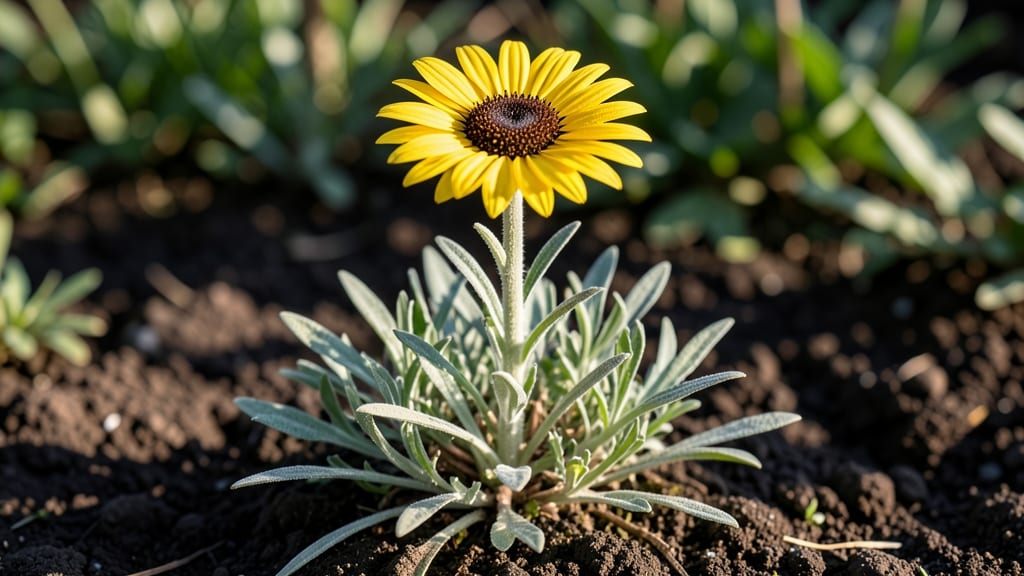
The African Daisy blooms for 3 to 5 months once it gets going, but timing that vibrant purple display depends entirely on where you live and when you plant.
Picture this: you’ve just tucked in your African Daisy 🌼 in early spring, and by early summer, your garden is bursting with those cheerful spikes. But miss the window, and you might end up with a plant that flowers late—or not at all.
The difference between a stunning show and a disappointment often comes down to knowing your hardiness zone and adjusting care accordingly.
In warmer climates like Zones 8-11, African Daisies can start blooming as early as May, while gardeners in cooler Zones 6a-7 may not see those first flowers until June or July.
Even then, with the right tricks—like deadheading spent blooms or giving them a mid-season fertilizer boost—you can stretch that bloom time well into fall.
Below, I’ll break down the exact months for peak flowering in your area, plus the simple hacks to keep those purple spikes coming all season long. No more guessing—just a garden that stays vibrant from start to finish.
African Daisy bloom time by USDA plant hardiness Zones
Timing your garden's African Daisy (Osteospermum) blooms means planning for vibrant purple spikes that last from early spring through fall. These cheerful flowers thrive in USDA Zones 7-11, but their bloom windows shift dramatically depending on your climate.
Understanding these patterns helps you schedule plantings, deadhead for continuous flowers, and even choose the right varieties for your region.
In Zone 7, where winters are cooler, African Daisies often start blooming in late May and continue through October. Gardeners in Zone 8 enjoy an extended season from April to November, while those in Zones 9-11 can expect nearly year-round blooms with minimal interruptions.
Knowing these timelines lets you maximize your garden's color impact.
Below is a zone-specific breakdown of African Daisy bloom times, including early, peak, and late-season flowering periods. Use this as your planting and care calendar to ensure your purple spikes appear exactly when you want them.
| USDA Zone | Early Bloom | Peak Bloom | Late Bloom | Notes |
|---|---|---|---|---|
| 7 | Late May | June-August | Early October | Cooler winters may delay spring blooms |
| 8 | April | May-September | November | Extended season with proper care |
| 9 | March | April-October | December | Nearly year-round blooms possible |
| 10 | February | March-November | January | Minimal seasonal break in blooms |
| 11 | January | February-December | None (continuous) | Tropical conditions support year-round growth |
If you're in Zone 7, plan to start seeds indoors in March for outdoor planting after your last frost date. This ensures your African Daisies have enough time to establish roots before their late May bloom.
In warmer zones like Zone 9-11, you can enjoy nearly continuous blooms by staggering plantings every 6-8 weeks.
For gardeners in Zone 8, the April bloom marks the perfect time to add height and color to early spring gardens. Pair African Daisies with tulips or daffodils for a stunning transition into summer. The extended May-September peak means you'll have cut flowers for arrangements throughout the summer months.
In Zones 9-11, where African Daisies can bloom almost year-round, focus on seasonal deadheading to encourage continuous flowering. Remove spent blooms in February to stimulate new growth for the March bloom, and repeat this process every 4-6 weeks to maintain vibrant purple spikes.
One common misconception is that African Daisies bloom only once per season. In reality, with proper care, they can produce multiple flushes of flowers throughout their growing season. The key is understanding your zone-specific timing and adjusting care practices accordingly.
For example, in Zone 7, a late summer pruning can encourage a second bloom cycle in September.
To maximize your African Daisy's bloom time, consider planting early, mid, and late-season varieties together. This creates a staggered bloom effect that keeps your garden colorful from spring through fall. For instance, in Zone 8March, another in May, and a final batch in July for continuous blooms.
Remember that African Daisies are perennial in Zones 8-11 but often treated as annuals in Zone 7 due to winter dieback. If you're in a cooler zone, save seeds from your best blooms in late fall to replant the following spring.
This ensures you maintain the exact color and bloom time you love year after year.
With this zone-specific guide, you're now equipped to plan your African
How to extend African Daisy bloom time with simple gardening hacks
African Daisies (Osteospermum) are famous for their cheerful purple blooms, but their natural display often fades too quickly. With the right care, you can stretch that vibrant season from early summer to late fall.
The key lies in mimicking their natural growing conditions while giving them just the right encouragement. I’ve tested these techniques in my own garden, and the results—weeks-long extensions—are worth the effort!
One of the biggest mistakes gardeners make is assuming African Daisies are low-maintenance. While they’re drought-tolerant, they actually thrive with a few strategic tweaks. Start by focusing on three critical areas: pruning for rebloom, nutrient-rich soil, and consistent moisture.
These small adjustments can transform a single summer burst into a continuous cascade of color. Let’s dive into the specifics that’ll keep your plants flowering like clockwork.
- 1 Deadhead regularly – Snip spent blooms every 3-4 days to prevent seed formation. This redirects energy to new buds instead of seed production. Use clean pruners and cut just above the first set of leaves.
- 2 Fertilize monthly – Use a balanced 10-10-10 fertilizer every 4 weeks during growing season. Apply in the morning to avoid burning roots, and water immediately after to distribute nutrients evenly.
- 3 Water deeply twice weekly – African Daisies hate soggy soil but need consistent moisture. Water early morning for 10-15 minutes per plant, ensuring the root zone (6 inches deep) stays hydrated. Mulch with 2 inches of straw to retain moisture.
- 4 Prune for bushiness – Trim back 1/3 of the plant in early spring and again after first flush of blooms. This encourages lateral growth and more flowering stems. Always use sharp shears to avoid tearing foliage.
- 5 Adjust care for seasons – Reduce watering to every 7-10 days in fall and avoid fertilizing after mid-September. This prepares plants for dormancy and extends next year’s bloom time by strengthening roots.
Seasonal adjustments are where many gardeners miss the mark. For example, I once over-fertilized my African Daisies in late summer, thinking they needed extra nutrients—but this actually stressed the plants and shortened their bloom cycle.
Instead, focus on light feeding in spring and moderate care in fall. The goal is to keep plants healthy without overstimulating new growth too late in the season.
Another pro tip: If you live in Zones 8-11, your African Daisies may bloom nearly year-round with minimal care. In cooler zones (6-7), aim to protect plants from early frosts by moving containers indoors or covering them with frost cloth.
This simple step can add 2-3 extra weeks of vibrant color to your garden beds.
Remember, African Daisies reward consistency. Stick to your pruning and watering schedule, and you’ll enjoy those cheerful purple spikes from June through October—or even longer in ideal conditions. The secret isn’t complicated: just a little attention at the right times makes all the difference! 🌼