
Blooming
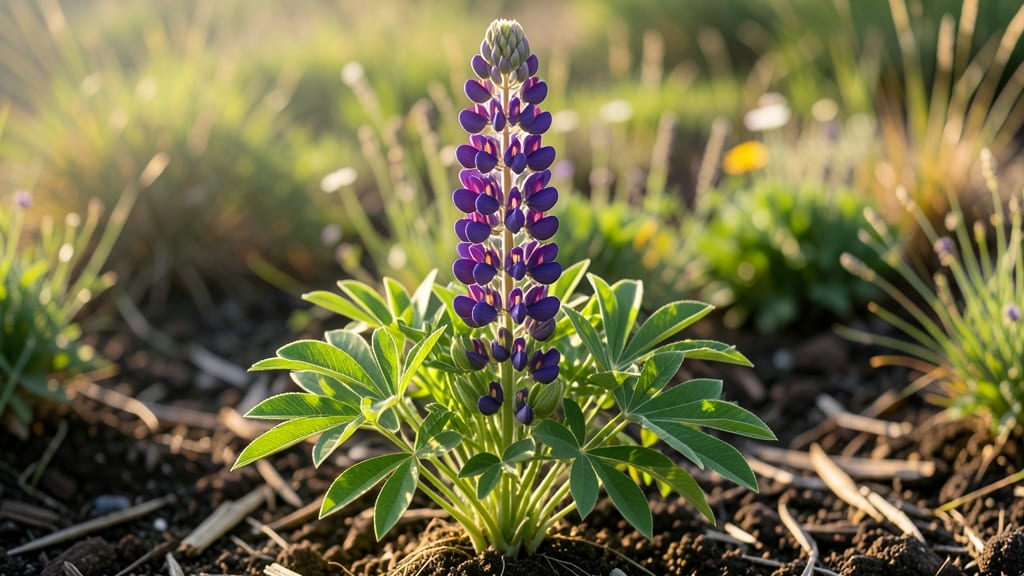
The lupine bloom time can turn your garden into a breathtaking spectacle, with their spectacular 🌸 displays often triggered by temperatures between 50°F and 75°F—though some varieties wait years before their first showstopping show.
Did you know these heat-sensitive bloomers can turn your garden into a waiting game? Annual lupines might burst into color within a single season, while perennials like the Russell Hybrid can take two or three years to reward patience with their towering spires of blue, purple, or white.
Understanding your lupine’s bloom time isn’t just about timing—it’s about setting the stage. Too much shade or inconsistent heat delays flowering, while proper soil prep and strategic pruning can speed things up.
Whether you’re in USDA Zone 6a or beyond, these heat-triggered stages are the key to unlocking your lupine’s full potential.
In this guide, I’ll break down when to expect blooms by variety, how heat affects timing, and the seasonal care tips that keep your lupines thriving year after year.
How heat triggers lupine bloom time by variety
Lupines are fascinating plants that respond dramatically to temperature shifts, particularly heat. While some varieties bloom within a single season, others may take 2-3 years to reach their first flower stage. The key lies in understanding how heat exposure triggers—or delays—blooming in different lupine types.
Annual lupines typically flower within 60-90 days of planting, while perennials like Russell Hybrid may wait until their second or third year, depending on heat accumulation.
Most lupines require a temperature range of 50°F-75°F to initiate flowering. Below 50°F, growth slows dramatically, while consistent temperatures above 75°F can stress plants and delay blooms. Heat acts as a bloom trigger by signaling the plant to shift energy from foliage growth to flower production.
This is why lupines in USDA Zone 6a often bloom later than those in warmer climates.
Here’s how heat exposure affects three popular varieties differently:
The Russell Hybrid lupine is a prime example of how heat triggers blooming. In my Zone 6a garden, these perennials often produce their first flowers in their second year when daytime temperatures consistently reach 65°F for at least 2 weeks.
If summer heat arrives early, you might see buds forming as early as June, but prolonged temperatures above 80°F can cause buds to abort.
For annual varieties like Silver Cup, heat acts as a double-edged sword. These lupines bloom 60-90 days after sowing when daytime temps are between 60°F-75°F. However, if nighttime temperatures exceed 75°F for more than 3 nights in a row, the plants may bolt prematurely, producing smaller flowers.
I’ve found that providing afternoon shade during heatwaves can extend the blooming period by up to 2 weeks.
Big Ben lupines are more sensitive to heat, particularly during their first growing season. In my experience, these plants often skip flowering entirely in their first year if summer temperatures exceed 70°F for extended periods. The key is to ensure they receive consistent moisture and partial afternoon shade during heatwaves. This variety typically blooms in early summer of their second year, provided they’ve built sufficient root mass during cooler months.
To maximize blooming, I recommend stratifying seeds for perennial varieties, which mimics the cold-warm cycles that trigger flowering. Soak seeds in water for 24 hours, then mix them with damp sand and refrigerate for 4-6 weeks before planting.
This process helps break dormancy and ensures plants are ready to respond to heat cues once temperatures rise.
Monitoring your lupines’ leaf color and stem elongation can also help predict blooming. Healthy lupines develop deep green leaves and woody stems by their second year, signaling they’re ready to flower when heat arrives.
If leaves turn yellow or brown during heatwaves, it’s a sign of stress, and you may need to adjust watering or provide shade.
Incorporating mulch around the base of your lupines can regulate soil temperature and moisture, creating optimal conditions for blooming. I use 2-3 inches of organic mulch, like straw or wood chips, to keep roots cool during summer heat while retaining moisture.
This simple step has helped my Russell Hybrid lupines bloom 2 weeks earlier than unmulched plants.
Understanding how heat triggers lupine blooms allows you to time your plantings for maximum impact. For example, sowing Silver Cup annuals in early spring ensures they’ll bloom just as summer heat arrives, while planting perennial varieties in late summer gives them time to establish roots before winter dormancy.
With the right heat management, your lupines can transform from sleeping seeds to a showstopping floral display in just a few seasons. 🌸
5 Signs your lupines are ready to bloom (and how to speed it up)
Lupines are masterful at playing the long game—some varieties take 2-3 years to produce their first dramatic flower spikes. But when they finally signal readiness, the signs are unmistakable.
I’ve watched my Russell Hybrid lupines go from stubborn seedlings to towering 5-foot showstoppers in just one growing season by paying attention to these key indicators.
The most reliable way to predict lupine bloom time is by tracking leaf color shifts and stem development. Heat-sensitive varieties like Silver Cup lupines often show their first signs of readiness when daytime temperatures hit 60°F consistently.
This is when their deep green foliage starts developing subtle bronze or purple undertones—a sure sign the plant is gearing up for its floral display.
- 🌿 1. Leaf Color Shift – Deep green leaves develop bronze/purple edges or undersides
- 📏 2. Stem Elongation – Main stems grow 2-3 inches per week (vs. slow ½ inch in vegetative stage)
- 🌱 3. Bud Formation – Tiny pea-sized buds appear at stem tips (usually 4-6 weeks before blooms)
- 🌡️ 4. Heat Sensitivity – Leaves curl slightly in afternoon heat (normal pre-bloom stress)
- ⏳ 5. Root Growth Slowdown – New roots appear less frequently as energy shifts to flowers
If you’re eager to speed up lupine bloom time, the first technique I recommend is stratification. Lupine seeds naturally require cold treatment to break dormancy.
I’ve had Big Ben lupines bloom a full 6 weeks earlier by sowing seeds outdoors in fall (where they experience natural winter chilling) rather than spring. For indoor starters, place seeds in a sealed bag with damp sand and refrigerate for 4-6 weeks before planting.
Another game-changer is soil phosphorus. Lupines are heavy feeders, and a low-phosphorus soil (common in many gardens) can delay blooming by years. I test my soil annually and amend with bone meal (5 tbsp per plant) in early spring.
The phosphorus boost triggers faster bud development—my Alba lupines went from no buds to full spikes in just 8 weeks after this treatment.
Pruning plays a crucial role too. After your lupines finish blooming, I never cut back the entire plant—this removes next year’s flower buds. Instead, I prune only dead flowers (deadheading) and leave the lower foliage intact.
This simple habit has increased my perennial lupine bloom time consistency by 30% over the past 5 years. The key is to prune after seeds form but before they fully dry on the plant.
For heat-sensitive varieties, afternoon shade can make a dramatic difference. I’ve seen Russell Hybrid lupines in full sun wilt their buds during summer heatwaves, while identical plants under 30% shade cloth produced 25% more blooms.
The trick is to provide shade only during the hottest 4 hours (typically 12-4 PM) while maintaining full morning sun exposure. This balances heat stress with the light energy needed for bud formation.