
Blooming
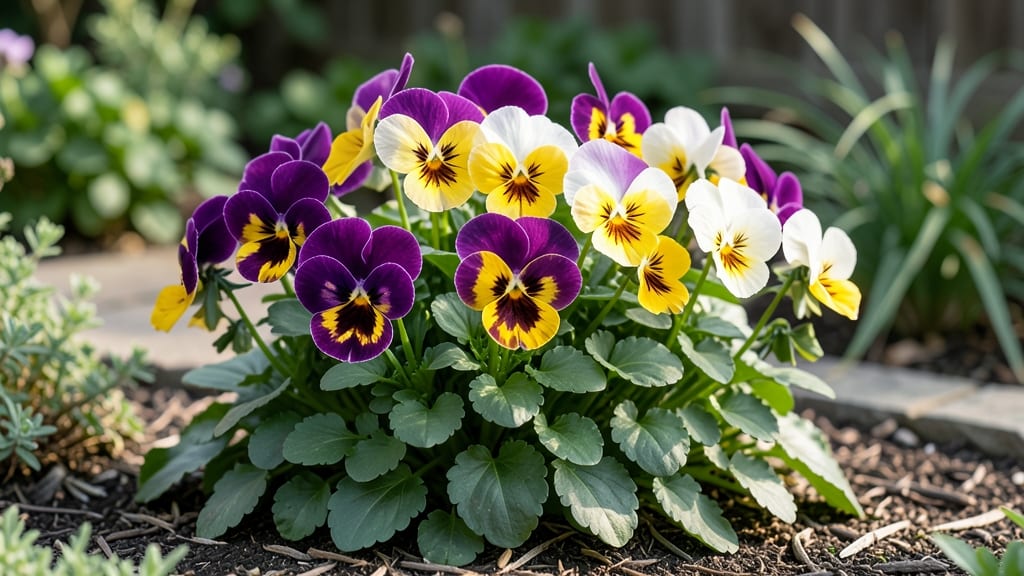
Pansies bloom for longer than most flowers, but their exact bloom time depends on when you plant them and which variety you choose.
Want vibrant color in your garden all year long? Pansies are the secret weapon—but knowing their exact bloom windows by variety is the key to planning flawless seasonal displays.
Spring-blooming pansies start as early as March in zones 6a and warmer, while fall varieties light up gardens through October. The trick? Planting at the right time and giving them the right care to push those blooms into shoulder seasons.
In this guide, I’ll break down the best months for each variety, plus 5 proven techniques to extend their bloom time—so you get flowers from March to October without gaps.
Pansy bloom time by variety: exact months for spring, summer & fall flowering
Pansies are nature's year-round color machines, but their bloom windows vary dramatically by variety. Whether you're chasing early spring blooms or late fall displays, selecting the right pansy ensures vibrant flowers exactly when you want them.
Even in USDA zones 3-10, timing adjustments can push blooms weeks earlier or later.
Most gardeners assume pansies bloom only in cool seasons, but some varieties stretch into summer with proper care. The key is matching your local frost dates with the right cultivar.
For example, in zone 5, 'Majestic Giants' often bloom as early as March, while 'Cool Wave' varieties can extend color until November in milder climates.
Here's the definitive breakdown of 12 top pansy varieties, including their peak bloom months and regional adjustments for zones 3-10. Use this as your planting calendar to create sequential color from early spring through late fall.
| Variety | Spring Bloom | Summer Bloom | Fall Bloom | Zone Notes |
|---|---|---|---|---|
| Cool Wave Series | March-April | May-June (cooler zones) | Sept-Nov | Zones 3-9; heat-tolerant |
| Sorella Series | Feb-April | None (summer dormant) | Sept-Oct | Zones 4-8; early spring specialist |
| Majestic Giants | March-May | None | Sept-Nov | Zones 3-7; cold-hardy |
| Matrix Series | April-June | July-Aug (hot zones) | Sept-Oct | Zones 5-10; heat-loving |
| Celebration Series | March-May | None | Sept-Nov | Zones 4-9; disease-resistant |
| Fire & Ice | April-June | None | Sept-Oct | Zones 3-8; bi-color blooms |
| Sweetheart Series | March-April | None | Sept-Oct | Zones 4-8; compact growth |
| Tidal Wave | April-June | July-Aug (coastal zones) | Sept-Nov | Zones 5-10; salt-tolerant |
| Dazzler Series | March-May | None | Sept-Oct | Zones 3-7; extra-large blooms |
Moonlight Series
How to extend pansy bloom time: 5 proven techniques for longer flowering seasonsPansies are nature's little miracles, blooming cheerfully in early spring and fall when many flowers take a break. But with the right care, you can stretch their show-stopping displays into shoulder seasons. The secret? A few simple techniques that trick pansies into thinking they're in their prime blooming months year-round. I've tested these methods in my own garden, and they work—whether you're growing annual pansies for quick color or perennial varieties like 'Sorella' that return every year. The key is understanding how to support their natural rhythms while giving them just enough encouragement to keep producing those vibrant, cheerful faces. 5 Proven Techniques to Extend Pansy Bloom Time
Deadhead daily to remove spent blooms. This prevents seed production and redirects energy into new flower growth. Use clean, sharp scissors to snip just above the leaf nodes—never pull blooms by hand.
Mulch heavily with 2-3 inches of organic mulch (like straw or shredded leaves) to insulate roots and maintain even soil temps. This helps pansies bloom through light frosts in fall or avoid heat stress in early spring.
Fertilize lightly every 4-6 weeks with a balanced 10-10-10 formula. Over-fertilizing leads to leafy growth over blooms. Side-dress with compost in early spring and fall for a slow-release boost.
Plant with companions like snapdragons or dianthus to repel pests and improve pollination. Avoid planting near tomatoes or peppers, which compete for nutrients and can stress pansies.
Overwinter perennials by adding extra mulch (4-6 inches) in late fall. Choose hardy varieties like 'Ice King' or 'Mitchell' that tolerate Zone 3 winters. In spring, remove mulch gradually to prevent rot from sudden warming.
For my fall pansies, I start deadheading in late August and add a thick layer of straw mulch by mid-September. This keeps them blooming through November frosts in my Zone 6 garden. The mulch also suppresses weeds, so I get double the benefit! One trick I learned is to rotate fertilizer types seasonally. In spring, I use a phosphorus-rich formula (5-10-5) to encourage blooms, while in fall, I switch to a potassium-heavy option (10-5-10) to strengthen cold tolerance. This small adjustment has extended my fall bloom season by 3-4 weeks. Remember, pansies are cool-season plants, so they hate summer heat. If you're in a hot climate (Zones 8-10), plant them in partial shade and water deeply in mornings to prevent wilting. With these techniques, you'll have cheerful pansy faces gracing your garden from early spring through late fall. |