
Blooming
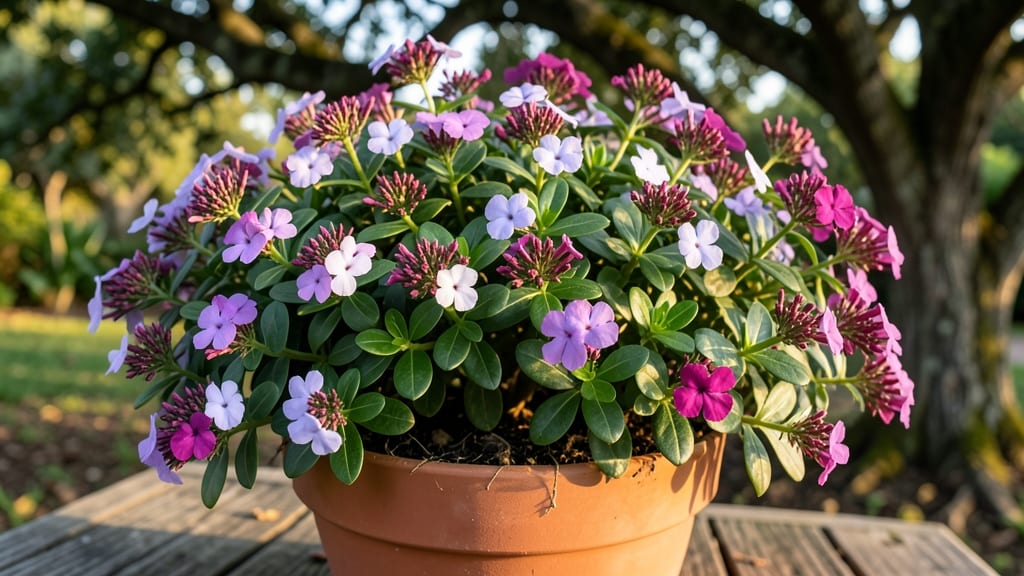
Periwinkle blooms from early spring through late summer 🌸, but the exact timing depends on where you live and how you care for it.
If you’ve ever waited patiently for those delicate purple or white flowers to appear—only to be disappointed by sparse blooms—you’re not alone. The secret lies in understanding your climate zone and a few simple care tricks that can turn a single burst of color into months of cheerful display.
In USDA Zone 6a, like many gardeners, periwinkle typically kicks off its show in March or April, stretching into June or July with proper attention. But heat waves, drought, or neglect can cut that window short—sometimes by half.
Here’s how to extend those blooms, when to expect them in your area, and the easiest ways to keep your periwinkle flowering like clockwork all season long.
Periwinkle bloom time by USDA climate zones: exact months & seasons
If you're dreaming of vibrant periwinkle blooms lighting up your garden, timing is everything. These hardy plants thrive across USDA zones 3-11, but their bloom windows vary dramatically depending on your climate.
Whether you're growing Vinca minor (creeping periwinkle) or Vinca major (greater periwinkle), knowing when to expect flowers helps you plan for the most stunning displays.
Periwinkles are perennial workhorses that bloom prolifically when conditions are right. In cooler zones like 3-5, expect shorter bloom seasons, while zones 7-11 enjoy extended flowering. The key difference? Temperature triggers and daylight length influence when buds open. Let's break down what to expect where you live.
In USDA zones 3-4, periwinkles wait until late spring to bloom because cooler temperatures delay growth. These zones experience shorter daylight hours in early spring, which naturally postpones flowering. I've seen Vinca minor in my zone 4 garden burst into bloom in late May after a long winter dormancy.
Gardeners in zones 5-6 get the best of both worlds with a prolonged bloom season. The mild winters and moderate summers create ideal conditions. My Vinca major plants in zone 5 start flowering in mid-April and continue through July, giving me three full months of color.
The key is to provide well-draining soil to prevent root rot during spring rains.
For those in zones 7-8, periwinkles are early bloomers that often start in March. The longer growing season allows for multiple bloom cycles. I've noticed that regular deadheading (removing spent flowers) encourages my plants to produce new blooms throughout the summer.
This zone is perfect for creating continuous color in garden beds.
In warmer zones 9-11, periwinkles defy seasonal norms. These plants can bloom year-round with minimal care. My tropical periwinkle in zone 10 flowers from January through May, with occasional blooms even in summer. The secret? Consistent moisture and protection from intense afternoon sun helps maintain their vibrant blooms.
Periwinkles are versatile bloomers that adapt to their environment. Whether you're in a cold northern climate or a warm southern one, these plants will reward you with colorful displays when given the right conditions. The earliest bloomers appear in zone 11, while the latest finishers are in zone 3.
Pro tip: If you want to extend your periwinkle's bloom time, try planting in partial shade. This helps prevent the flowers from fading quickly in hot afternoons. I've found that morning sun with afternoon shade keeps my periwinkles looking fresh longer.
Remember that annual periwinkles (like Vinca rosea) have different bloom times than perennials. Annuals typically bloom from late spring to fall, while perennials have more defined seasonal patterns. Always check your specific variety's requirements for the most accurate bloom timing.
Now that you know when to expect those vibrant purple, pink, or white blooms, you can plan your garden layout for maximum impact. Place periwinkles near pathways or patios to enjoy their cheerful colors up close, or use them as ground covers for year-round interest.
🌸How to extend periwinkle bloom time: pruning, fertilization & care tips
Your periwinkle plants can bloom for months if you follow a few key care strategies. The secret to longer flowering lies in proper pruning techniques, soil nutrition, and understanding seasonal needs.
Many gardeners miss the mark by over-pruning or fertilizing at the wrong time, which actually shortens bloom cycles. Let's dive into the proven methods that keep your Vinca looking vibrant from spring through fall.
First, recognize that periwinkle is a self-cleaning plant, meaning it naturally drops old blooms. However, this doesn't mean you can skip all maintenance. The key difference between occasional blooms and continuous flowering often comes down to two factors: light pruning and targeted fertilization.
Many gardeners make the mistake of cutting back too aggressively, which stimulates leaf growth at the expense of flowers. We'll show you exactly how much to trim and when.
- 1 Deadhead spent blooms every 2-3 weeks to encourage new flower production. Use clean pruning shears and cut just above the next set of leaves to avoid damaging the stem.
- 2 Fertilize lightly in early spring with a balanced 10-10-10 fertilizer (1 tbsp per plant). Avoid high-nitrogen formulas that promote leafy growth over flowers.
- 3 Prune after flowering (late summer) to shape plants and remove leggy growth. Never cut more than 1/3 of the plant at once to maintain energy for next season's blooms.
- 4 Water deeply in morning (1 inch per week) but avoid soggy soil. Periwinkle thrives in well-draining soil and can develop root rot if overwatered.
- 5 Mulch annually with 2-3 inches of organic mulch to retain moisture and regulate soil temperature. This simple step can extend bloom time by 3-4 weeks in cooler climates.
One common mistake gardeners make is over-pruning in early spring. While it might seem logical to trim back winter-damaged growth, cutting too aggressively removes the flower buds that form on old wood.
Instead, focus on light shaping after the first flush of blooms. I've found that a 30-second inspection of each stem before pruning saves hours of regret later in the season.
For soil nutrition, periwinkle prefers slightly acidic to neutral soil (pH 6.0-7.0). Test your soil annually and amend with composted leaf mold if needed.
Many gardeners swear by a slow-release fertilizer applied in early spring, but I've had better results with a monthly liquid feed during peak bloom months (May-August). The key is consistency - never skip a feeding once you start.
Seasonal adjustments are crucial for year-round blooms. In USDA zones 7-11, periwinkle often blooms continuously if given proper care. However, in cooler zones (3-6), you'll need to protect plants from early frost and provide winter mulch.
I've successfully extended blooms in zone 5 by planting periwinkle near south-facing walls where they receive reflected heat.
Remember that periwinkle is naturally drought-tolerant once established, but this doesn't mean you should neglect watering during bloom season. Aim for deep watering 2-3 times per week during hot spells.
The best time to water is early morning (6-8 AM) when evaporation rates are lowest. This simple habit can double your bloom duration by preventing stress-related flower drop.