
Blooming
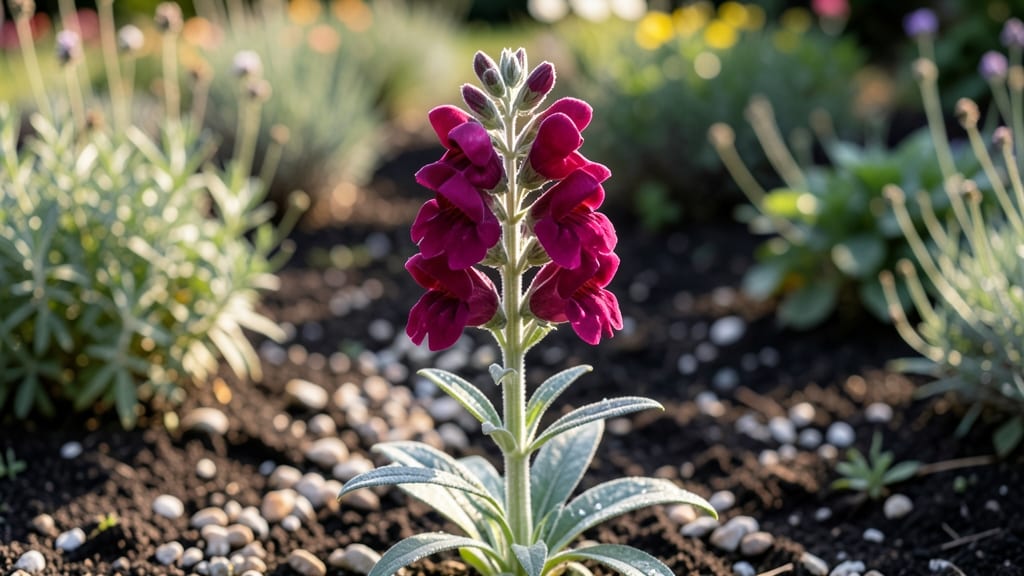
The snapdragon flower bloom time varies dramatically by variety, with some bursting into color as early as 60 days after planting and others holding off until late summer or fall.
Picture this: you’ve just tucked in your seeds in March, dreaming of vibrant 🌸 blooms by June, only to watch them droop as the heat rolls in. That’s the classic snapdragon dilemma—timing is everything, and heat tolerance makes all the difference.
In USDA Zone 6a, most snapdragons thrive from June through September, but the right variety can push those blooms into October or even survive a mild winter. The key? Knowing which types handle summer’s intensity and when to plant for maximum impact.
Below, I’ll break down the best snapdragon varieties for your climate, how to stretch their bloom time, and the simple tricks to keep them looking fresh—even when the thermometer climbs.
Snapdragon bloom time by variety: when to expect flowers
If you're planning your garden around snapdragons, timing is everything! These elegant flowers offer season-long color but vary wildly by variety. Annual snapdragons typically bloom 60-90 days after planting, while some perennial types like 'Black Prince' extend blooms into fall.
Let's break down exactly when to expect those showstopping blooms from your favorite varieties.
For gardeners in USDA Zone 6a, most snapdragons start flowering in late spring (May-June) and continue through fall frost. However, cooler-season varieties like 'Peach Blush' can even bloom in early spring if planted in late summer for a winter display.
Understanding these timelines helps you plan succession plantings for continuous color.
🌸 Variety-Specific Bloom Timelines
The Matrix Series is my go-to for summer-long color—its compact blooms appear just 60-70 days after sowing, making it perfect for container gardens or bed edges. Plant these in early spring (March-April) for June blooms that continue until first frost.
Their heat tolerance is moderate, so I always provide afternoon shade in Zone 6a summers.
For fall interest, I rely on 'Black Prince'—a perennial snapdragon that thrives in cooler temperatures. Unlike annuals, it blooms earlier in the season (as early as late April) and continues through September.
This dark velvety variety is ideal for cut flower arrangements and shade gardens where summer heat would stress annuals.
If you're aiming for early spring blooms, try 'Peach Blush'—a cool-season lover that can even handle light frosts. Sow seeds in late summer (August) for April blooms the following year.
This pale pink variety adds soft contrast to spring borders and winter interest when planted near evergreens.
For heat-resistant options, the 'Rocket Series' stands out with its taller spikes and bold colors. These bloom 70-80 days after planting, making them perfect for late summer displays. I've found they handle 90°F+ temperatures better than most, though they still need consistent moisture to prevent bud drop.
Pro tip: To extend bloom time, deadhead spent blooms regularly—this encourages continuous flowering for 4-6 weeks longer. For perennial types, cut back woody stems in early spring to promote new growth and prolonged blooming.
Heat stress can drastically shorten your snapdragons' bloom time, causing buds to drop before opening. The key to extending their flowering season lies in understanding their heat tolerance limits and implementing smart care strategies. Most snapdragons thrive in cool to moderate temperatures (60-75°F), but varieties like the 'Rocket' series can handle brief heat spikes better than traditional types. When temperatures climb above 80°F, snapdragons often show early signs of distress like drooping buds or yellowing leaves. This is your garden's way of signaling it's time to intervene before blooms fizzle out. The good news? With the right adjustments, you can coax your snapdragons to rebloom later in the season or even push their flowering into early fall. Don't ignore these heat damage symptoms—they mean your snapdragons are struggling: Act fast: Move plants to partial shade immediately and increase watering frequency to daily. Start by selecting heat-resistant varieties like the 'Rocket' series or 'Sunny Series', which can tolerate brief heat waves better than classic snapdragons. These varieties often continue blooming even when temperatures flirt with 85°F. For existing plants, provide afternoon shade using lightweight shade cloth (30-50% coverage) during peak heat hours (12 PM - 4 PM). Consistent soil moisture is critical—snapdragons hate dry soil but despise soggy roots too. Water deeply early in the morning to give roots time to absorb moisture before the heat sets in. Aim for 1-1.5 inches of water per week, adjusting for your climate. Mulching with 2-3 inches of organic mulch helps retain moisture and keeps roots cool. For a second flush of blooms, deadhead spent flowers regularly and give your plants a light fertilizer boost with a balanced 5-10-10 formula every 4-6 weeks. This encourages new growth and extends the flowering season by 3-4 weeks in many cases. Just be sure to stop fertilizing 6 weeks before first frost to harden off plants for winter. With these strategies, you can push your snapdragons' bloom time well into fall, sometimes even until first frost. The key is proactive care—watch for heat stress signs, adjust care quickly, and choose the right varieties from the start. Your garden will thank you with longer-lasting color and healthier plants! 🌸Heat tolerance secrets: how to extend snapdragon bloom time
🚨 Heat Stress Warning Signs