
Blooming
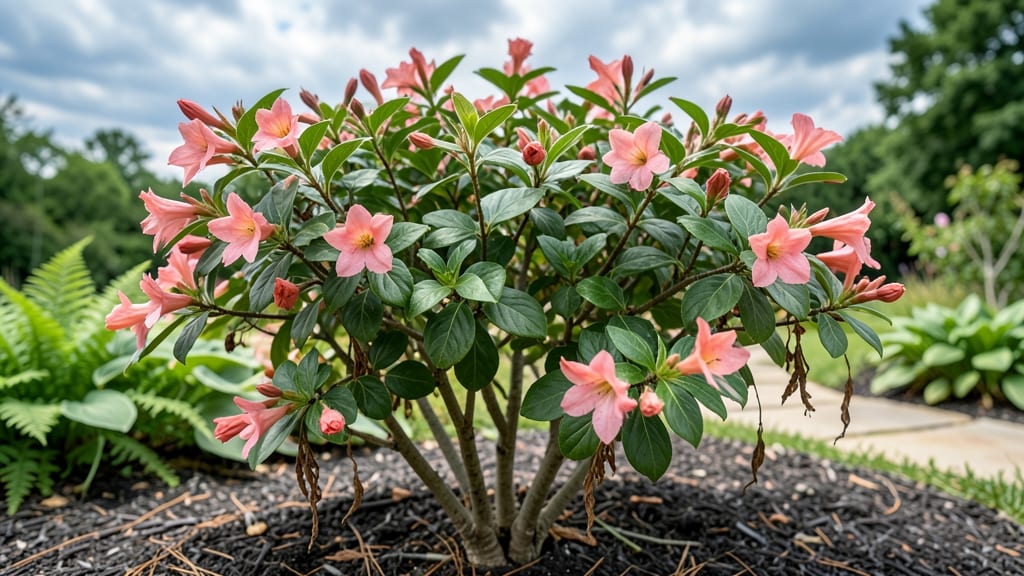
Sonic Bloom Pink Weigela thrives in winter with proper care: prune dead stems in late fall, mulch heavily around the base, and water sparingly before freezing. Protect from harsh winds and avoid fertilizing during dormancy to ensure vibrant spring blooms.
This cold-hardy shrub (USDA zones 4-9) enters dormancy when temperatures drop, conserving energy in its deep root system. 🌬️ The key is mimicking nature—thick mulch (3-4 inches of straw or shredded leaves) insulates roots, while pruning in late fall removes dead wood that could harbor pests.
I've seen firsthand how windbreaks like burlap screens or evergreen hedges prevent winter burn on tender new growth. The real secret? Avoiding overwatering, which can lead to root rot when the ground freezes.
What many gardeners overlook is that Sonic Bloom Pink Weigela's winter care directly impacts its spring performance. The less you disturb it during dormancy, the more energy it stores for those iconic pink blooms.
I recommend checking for winter stress signs like brown stems or curled leaves—these are your cues to adjust protection rather than panic.
💡 In This Article
- Why Sonic Bloom Pink Weigela Survives Winter
- Winter Pruning and Protection Guide for Weigela
Why Sonic Bloom Pink Weigela survives winter
Sonic Bloom Pink Weigela's winter resilience stems from its deep root system, which can extend 3-5 feet below the surface. This extensive network stores carbohydrates and nutrients during dormancy, acting like a natural battery.
When temperatures drop below 32°F, the plant's growth slows dramatically, but its roots remain active enough to absorb moisture from thawing soil—even in USDA zones 4-5 where winters can be brutal. 🌬️ The bark's thick, corky texture also provides natural insulation against temperature fluctuations, preventing the cambium layer (where new growth emerges) from freezing.
The plant's dormancy cycle is triggered by shorter daylight hours and cooler nights, typically beginning in late fall. During this time, Sonic Bloom Pink Weigela enters a state called "endodormancy," where even optimal growing conditions won't stimulate growth.
This biological shutdown protects it from winter's harshest elements. What's fascinating is how the plant's leaves drop naturally—this isn't just a survival tactic, but an energy conservation measure that reduces water loss through transpiration.
Recognizing winter stress signs is crucial for maintaining health. Look for brown, crispy stems or peeling bark—these indicate frost damage. Another red flag is curled or blackened leaves that persist into winter, often caused by windburn or fungal issues from excess moisture.
I've noticed that plants in exposed locations (like south-facing slopes) show more stress than those sheltered by trees or structures. The good news? These signs usually don't mean the plant is dying—they're often reversible with proper spring care.
What sets Sonic Bloom Pink Weigela apart from other winter-hardy shrubs is its ability to regenerate from dormant buds hidden along its stems. Even if the top growth dies back completely, new shoots will emerge from these protected buds when temperatures rise.
This built-in resilience means gardeners can be more flexible with winter care—though proper protection still maximizes spring performance. The plant's pink blooms develop from these dormant buds, so protecting them is like investing in next year's show.
Here's what's actually happening at the cellular level: As temperatures drop, the plant increases production of antifreeze proteins that lower the freezing point of its cell fluids. These proteins bind to ice crystals, preventing them from growing large enough to puncture cell walls.
This is why you can see Sonic Bloom Pink Weigela thriving in regions that would kill more delicate shrubs. The trade-off? It grows more slowly in winter, but this conservation strategy pays off with vigorous spring growth and abundant blooming.
One common misconception is that all winter damage is irreversible. In reality, many "dead" stems will recover once temperatures stabilize. I've seen Sonic Bloom Pink Weigela plants that looked completely lifeless in February burst into new growth by April.
The key is patience—don't prune back damaged stems until late winter or early spring when you can assess which parts have truly died and which are just dormant. 💫