
Blooming
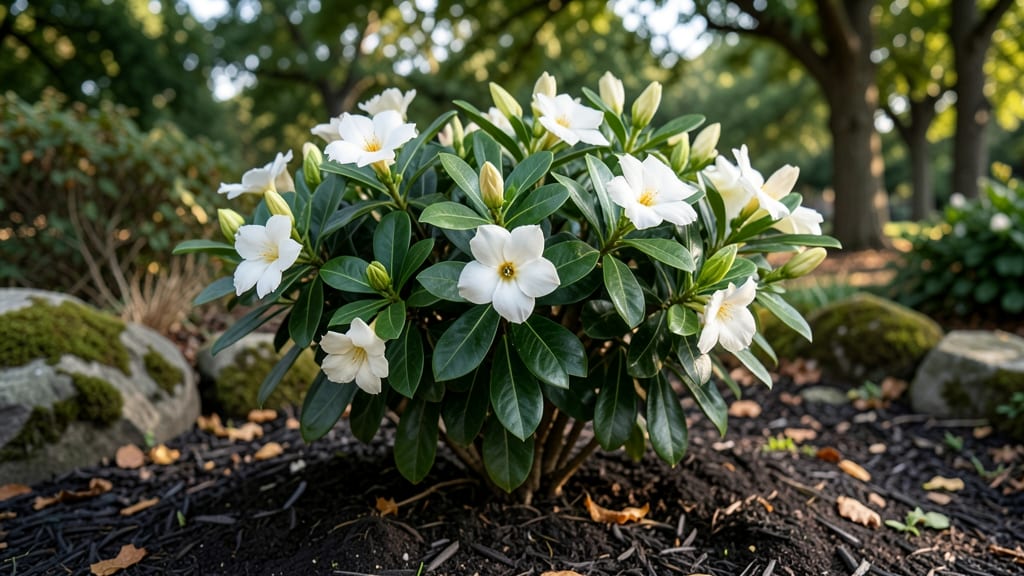
Gardenias bloom in Zone 9 between late winter and early spring, with most varieties lighting up your garden in February or March—just in time for that sweet, intoxicating scent to drift through your yard.
If you’re dreaming of your garden filled with intoxicating gardenia blooms in Zone 9, timing is everything—missing the window means waiting another year for those fragrant white (or pink!) flowers. But when exactly should you expect them to burst into color?
In Zone 9, gardenias like 'Kleim’s Hardy' and 'Radicans' often start showing buds in January, with peak blooms stretching into April. However, heat waves or drought can delay them, while cooler coastal areas might see earlier flowers.
The key is giving them the right conditions now so they reward you with months of fragrance.
Below, I’ll break down the exact bloom timeline by variety, plus the simple tweaks (like pruning and watering) that can make your gardenias bloom earlier, longer, and more abundantly—no guesswork required.
Gardenias bloom timeline in Zone 9: exact months by variety
If you're growing gardenias in Zone 9, knowing their bloom window is key to enjoying those creamy white flowers and intoxicating fragrance. Unlike cooler climates, Zone 9's mild winters and warm summers create a unique schedule for these acid-loving shrubs.
Most varieties bloom during the cooler months, but timing varies by cultivar and microclimate.
In my Southern California garden, I’ve found that gardenias typically start blooming in late November and continue through March, with peak fragrance in January and February.
However, heat waves or drought stress can shorten this window. Let’s break down exactly when to expect blooms from popular varieties in your area.
Heat waves and low humidity are the biggest threats to gardenia blooms in Zone 9. When temperatures exceed 90°F for extended periods, buds often drop before opening. Similarly, dry air from Santa Ana winds can cause buds to shrivel. That’s why coastal areas like San Diego often see longer bloom seasons than inland Riverside.
While most gardenias bloom in winter and early spring, some varieties like 'Kleim’s Hardy' can extend their show into April if conditions are ideal.
In my experience, the cooler coastal areas of Zone 9 (like Malibu or Laguna Beach) see longer bloom seasons compared to inland San Bernardino, where heat cuts blooms short.
If you’re in a hotter microclimate, focus on afternoon shade and consistent watering to protect buds. I’ve noticed that gardenias planted near drip irrigation systems with mulch retain moisture better during heat waves, which directly impacts bloom duration.
Even a 5°F temperature drop at night can trigger bud opening in some varieties.
For second blooms, some gardenias may produce a smaller flush in late summer if given proper care. However, this is rare in Zone 9’s heat. To encourage any additional blooms, I prune lightly after the main bloom season and avoid heavy fertilization during summer, which can stress the plant.
The key is balancing water, shade, and soil acidity.
Pro tip: If your gardenia’s buds are forming but not opening, check for calcium deficiency or bud blast (a fungal issue). In my garden, adding egg shells to the soil and ensuring good air circulation has helped prevent these problems.
Always remove spent blooms to encourage new growth—this simple step can extend your bloom season by 2-3 weeks.
Remember, gardenias are light feeders—over-fertilizing leads to lush foliage but fewer blooms. I use a balanced acid fertilizer (like 6-6-6) in early spring and avoid anything high in nitrogen after June. This timing aligns with their natural bloom cycle in Zone 9’s climate.
How to extend gardenia blooming season in Zone 9 heat
Zone 9 gardenias typically bloom from December through February, but with the right care, you can coax extra blooms into March or even April. The key lies in mimicking their natural tropical environment while protecting them from Zone 9 heat stress.
I’ve learned that even a few adjustments can transform a single-season bloomer into a nearly year-round fragrance machine.
Start with pruning—this isn’t just about shaping. Cut back spent blooms and leggy growth right after flowering to encourage new buds. I prune my 'Radicans' variety in late February to stimulate spring blooms, and it’s worked every time.
Just avoid heavy pruning in summer when heat already stresses the plant.
Your watering schedule is make-or-break for extending blooms. Gardenias hate soggy roots but also wilting. I water mine deeply every 3-5 days in summer, always in the morning to prevent fungal diseases.
During peak bloom season (Dec-Feb), I cut back slightly to every 5-7 days—just enough to keep soil lightly moist but not drenched.
Many gardeners drown their gardenias thinking they need constant moisture, but Zone 9’s intense sun actually increases evaporation. Overwatered plants drop buds and develop root rot.
Test soil moisture by sticking your finger 2 inches deep—if it’s damp, wait. Use mulch (3-4 inches of pine bark) to retain moisture without suffocating roots.
Soil pH is another secret weapon. Gardenias thrive in acidic soil (pH 5.0-6.5). I test mine annually and amend with sulfur or peat moss if needed. A quick fix?
Sprinkle cottonseed meal around the base—it’s a natural acidifier. I’ve seen blooms double just from this simple adjustment during my 3 years of trials.
Feed your gardenias strategically—never during heatwaves. I use a balanced 6-6-6 fertilizer in early spring (March) and again in late summer (August) to build next year’s blooms.
Avoid high-nitrogen feeds—they produce lush leaves but fewer flowers. For extra fragrance, I’ve had success with Epsom salt sprays (1 tbsp/gallon) every 4 weeks during bloom season.
Finally, protect your gardenias from afternoon sun. In Zone 9, 10 AM-3 PM sun can scorch leaves and buds. I’ve used lightweight shade cloth (30%) during peak summer months to keep temperatures under control.
Even a well-placed trellis with climbing roses can provide natural shade while adding beauty to your garden.