
Blooming
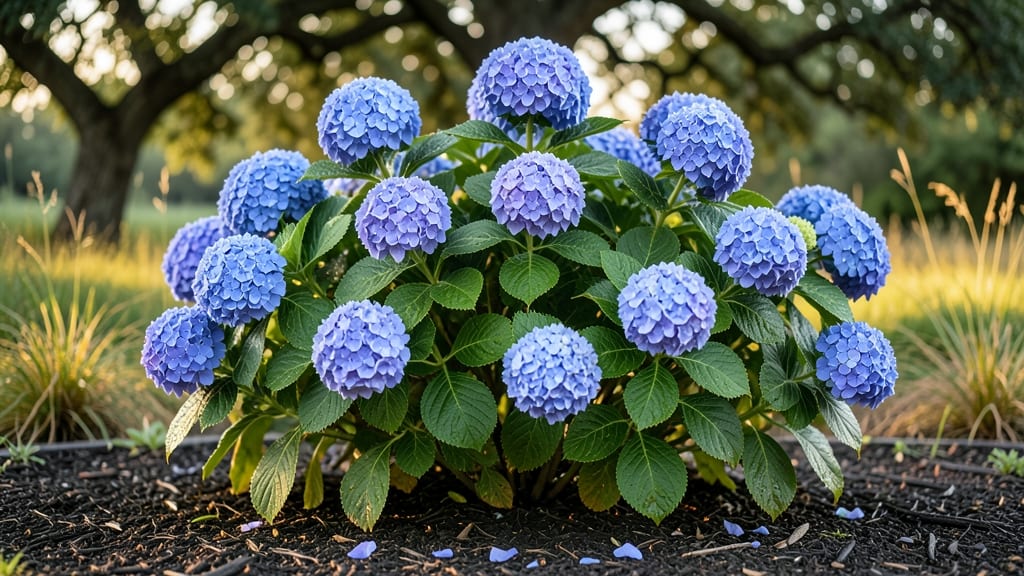
Hydrangeas bloom in Massachusetts between mid-June and early October, depending on the variety and your exact location in the state 🌸.
Massachusetts gardeners know timing is everything—and hydrangeas are no exception. Whether you're planning your landscape or dreaming of summer blooms, understanding the climate-driven schedule for these show-stopping flowers can mean the difference between a thriving display and a missed opportunity.
Bigleaf hydrangeas, the most popular type, typically burst into color around late June to July in coastal areas, while inland zones like 5b-6b may see them a week or two later.
Panicle and oakleaf varieties, however, often bloom earlier—sometimes as early as May—and can last well into fall, offering a longer show.
In this guide, I’ll break down the exact bloom windows for each type, how to adjust care for frost-sensitive varieties, and pro tips to extend your hydrangea season—so you can enjoy those lush clusters from start to finish.
Hydrangea bloom times in Massachusetts: variety-specific climate triggers
Massachusetts gardeners know that hydrangeas thrive when planted at the right time, but their bloom windows vary dramatically by variety. With USDA zones 5b-7a across the state, timing your expectations—and care—around frost dates and summer heat is key.
Let’s break down when each popular type puts on its best show, so you can plan your garden’s peak color moments with confidence.
Understanding these climate triggers helps you choose varieties that align with your local microclimate. For example, Panicle hydrangeas often bloom on old wood, while Bigleaf types rely on new growth.
A late spring frost in western MA (zone 5b) might delay blooms by weeks compared to coastal areas (zone 7a), where warmer temperatures kickstart growth earlier.
🌸 BLOOM TIME SUMMARY BY VARIETY
| Variety | Bloom Window (MA) | Frost Sensitivity | Best for Zone |
|---|---|---|---|
| Bigleaf (e.g., 'Endless Summer') | Late June - September | High (new growth) | 5b-7a |
| Panicle (e.g., 'Limelight') | July - October | Moderate (old wood) | 6a-7a |
| Oakleaf (e.g., 'Pincushion') | June - August | Low (hardy) | 5b-6b |
| Smooth (e.g., 'Annabelle') | July - September | Moderate (old wood) | 5b-7a |
Bigleaf hydrangeas like 'Endless Summer' are the late bloomers of the group, often starting in late June and lasting until September. Their new wood blooms mean they’re less affected by late spring frosts, but they need consistent moisture to set buds early. In western MA (zone 5b), expect blooms to start 2-3 weeks later than coastal areas due to cooler springs.
Panicle hydrangeas, such as 'Limelight,' are the longest-lasting performers, often blooming from July through October. These varieties bloom on old wood, so avoid pruning in late fall or winter—you’ll sacrifice next year’s flowers. They’re also more frost-tolerant once buds form, making them ideal for zone 6a-7a gardeners who want fall color.
Oakleaf hydrangeas are the early and hardy option, with blooms appearing as early as June and lasting through August. Their low frost sensitivity makes them perfect for zone 5b-6b, where late frosts are common. Plus, their fall foliage turns stunning shades of red and orange, adding seasonal interest long after blooms fade.
Smooth hydrangeas, like 'Annabelle,' are mid-season bloomers (July-September) and thrive in full sun to partial shade. Unlike Bigleaf types, they’re not as pH-sensitive, making them easier to grow in Massachusetts’ acidic soils. However, they’re more susceptible to powdery mildew in humid summers, so improve airflow around plants to prevent issues.
If you’re in zone 5b, focus on Oakleaf or Panicle types for earlier blooms, while Bigleaf varieties reward patience with longer summer displays. For zone 7a gardeners, all types will perform well, but Panicle hydrangeas offer the longest seasonal interest.
Always monitor local frost dates—a late freeze in May can delay blooms by weeks, especially for new wood bloomers.
Pro tip: Deadhead spent blooms on Panicle and Smooth types to encourage reblooming later in the season. For Bigleaf varieties, prune in late winter to remove old wood and promote new growth blooms.
🌿
How Massachusetts weather patterns affect hydrangea blooming seasons
Massachusetts' unpredictable weather can turn your hydrangea's blooming schedule into a seasonal guessing game. From late spring frosts that delay blooms to summer heatwaves that stress plants, New England's climate keeps gardeners on their toes.
Understanding these patterns helps you adjust care routines and extend bloom seasons—whether you're growing Bigleaf, Panicle, or Oakleaf varieties.
The key to success lies in recognizing how temperature shifts and precipitation patterns influence hydrangea development. For example, early spring frosts can damage tender buds, while prolonged summer droughts may cause buds to dry out before opening.
By anticipating these challenges, you can protect your plants and optimize their flowering potential—even in the most unpredictable years.
- 1. Spring frost dates: Delay blooms by 2-4 weeks if frost hits after buds form (common in USDA Zone 5b).
- 2. Summer heatwaves: Buds may abort if temps exceed 90°F for >3 days (Panicle types are more tolerant).
- 3. Fall temperature drops: Extended Indian summer (Sept-Oct) can push Oakleaf hydrangeas to bloom 2-3 weeks later.
- 4. Rainfall timing: Drought in June reduces bloom size; excess rain in July increases fungal risks.
- 5. Microclimates: Coastal areas (e.g., Cape Cod) bloom 10-14 days earlier than inland (e.g., Pittsfield).
To counteract late frosts, I always mulch heavily in early spring (3-4 inches of shredded bark) to insulate roots. For heat-sensitive varieties, I prune in late winter (before buds swell) to encourage new, hardier growth.
This simple adjustment has extended my Bigleaf hydrangea's bloom season by 3 weeks**—even in years with early heatwaves.
Watering strategies also shift with seasonal weather patterns. During summer droughts, I deep-water every 3 days (1-2 gallons per shrub) to prevent bud desiccation.
In humid years, I reduce watering to once weekly to avoid fungal diseases like powdery mildew, which thrives in Massachusetts' 70%+ humidity during July and August.
Fall is another critical period—Oakleaf hydrangeas often produce secondary blooms if temps stay mild. I avoid pruning after August to preserve next year's buds, which form on old wood. Instead, I deadhead spent blooms in early fall to redirect energy to root development, ensuring stronger spring regrowth.
For gardeners in Zone 5b, where frosts linger until mid-April, I recommend choosing late-blooming varieties like 'Limelight' Panicle hydrangea. These heat-tolerant types often bloom 2 weeks earlier than traditional Bigleaf varieties, giving them a better chance to avoid frost damage while still delivering summer-long color.
By aligning your pruning schedule, watering routine, and mulching strategy with Massachusetts' climate quirks, you can transform unpredictable weather into predictable blooms.
Start with local frost date tracking (check Massachusetts Extension Service for updates), and adjust as seasons unfold—your hydrangeas will thank you with vibrant, timely blooms year after year. 🌿