
Blooming
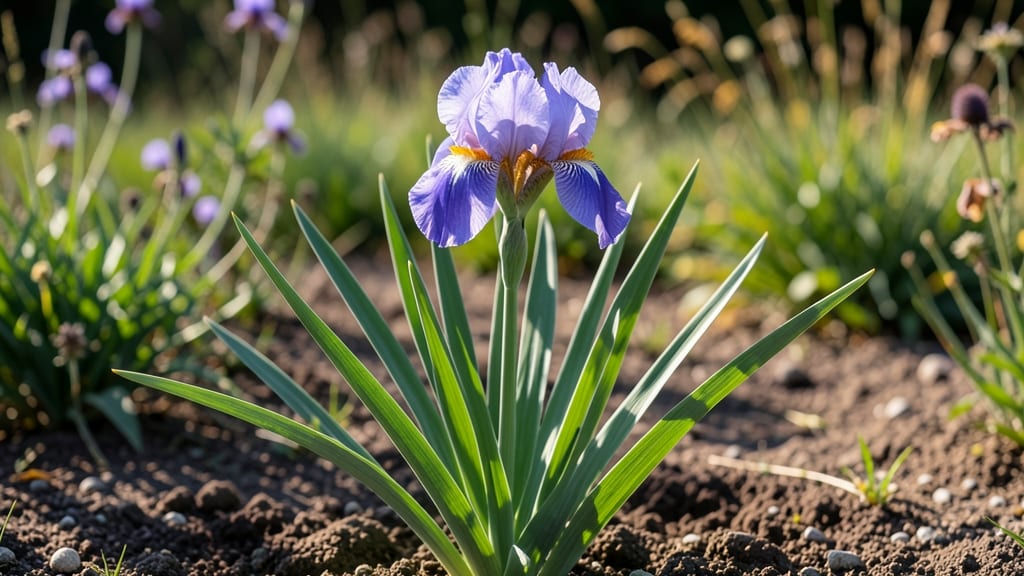
Irises bloom in Texas between March and June 🌸, with exact timing depending on your zone, variety, and a few clever planting tricks.
Texas gardeners know timing is everything—and iris blooms can be a magical spring spectacle if you plant the right varieties at the right time.
But with North Texas frost dates clashing with South Texas heat waves, figuring out when your irises will burst into color can feel like solving a puzzle.
Some varieties—like 'Florence Sullivan'—open their petals as early as February in the Rio Grande Valley, while others in the Panhandle wait until May. The key? Matching your iris to your zone’s last frost and understanding how heat and humidity shift bloom windows.
In this guide, I’ll break down month-by-month bloom times by Texas region, the best varieties for your yard, and pro tips to coax earlier—or later—blooms. No more guessing: just vibrant 🌸 color when you want it.
Texas iris bloom times by month: what to expect in each Zone
Texas' 10 climate zones create a diverse iris bloom calendar, with early bloomers in Zone 8a and late-season varieties thriving in Zone 10b. Understanding these patterns helps you time planting and extend your garden's color from March through June.
The key? Choosing heat-tolerant varieties and planting at the right time to beat Texas' sweltering summers.
Most bearded irises bloom in spring, but their exact timing shifts based on elevation, soil temperature, and rainfall patterns. North Texas gardeners often see earlier blooms (late February to April), while South Texas varieties may wait until April or May to burst into color.
Even within the same zone, microclimates can shift bloom times by 2-4 weeks—so pay attention to your local frost dates.
Here’s your month-by-month breakdown of iris blooms across Texas, including peak bloom windows and variety recommendations for each zone. Use this as your garden planning guide to ensure you’re planting rhizomes in September-October (for fall blooms) or February-March (for spring blooms).
| Month | Zone 8a (North TX) | Zone 9a (Central TX) | Zone 10a (South TX) | Varieties to Plant |
|---|---|---|---|---|
| March | Early blooms (late March) | Mid-March peaks | Late blooms (early April) | 'Florence Sullivan', 'Blue Flag' |
| April | Peak bloom (all varieties) | Full bloom season | Primary bloom month | 'Professor Arthur', 'Immortality' |
| May | Late bloomers, fading | Late-season varieties | Extended blooms (if watered) | 'John Paul II', 'Wee Jester' |
| June | Post-bloom care begins | Foliage yellows (prep for dormancy) | Heat stress; minimal blooms | All varieties (focus on care) |
Note: Zone 8a blooms 2-3 weeks earlier than Zone 10a due to cooler temps.
In Zone 8a (think Panhandle to East Texas), irises often bloom as early as late February if planted in September.
These cool-season varieties thrive with early spring rains and cooler nights, making March and April your prime viewing months. Early bloomers like 'Florence Sullivan' (purple) and 'Blue Flag' (blue) are perfect for North Texas gardens.
Moving to Zone 9a (the Hill Country and Central Texas), bloom times shift slightly later due to warmer winters. Expect peak blooms in April, with some late-season varieties lingering into early May.
Here, 'Professor Arthur' (yellow) and 'Immortality' (white) shine, offering heat tolerance and longer vase life. Water deeply in April to support bud development.
In Zone 10a and 10b (South Texas and Rio Grande Valley), irises often wait until April or May to bloom, thanks to warmer winters and longer growing seasons.
Varieties like 'John Paul II' (red) and 'Wee Jester' (dwarf) handle humidity and heat better, making them South Texas staples. Mulch heavily in summer to protect rhizomes from heat stress.
Pro tip: To extend your bloom season, plant a mix of early, mid, and late-season varieties.
For example, pair 'Florence Sullivan' (early) with 'Blue Flag' (mid) and 'Wee Jester' (late) to enjoy color from March through June. Deadhead spent blooms to encourage reblooming, and fertilize lightly in spring to boost next year’s flowers.
Remember, Texas heat can shorten bloom cycles if irises aren’t watered properly. Aim for 1 inch of water per week during bloom season (March
Best iris varieties for Texas gardens: bloom timing and hardiness
Choosing the right iris varieties for your Texas garden means balancing bloom timing with heat tolerance. Since Texas spans from USDA Zone 7b to 10b, some irises thrive in North Texas' cooler springs while others handle South Texas' intense summer heat.
The key is selecting varieties that align with your local climate and desired flowering season.
Early bloomers like 'Florence Sullivan' burst into color as early as February in South Texas, while late-season varieties such as 'Blue Flag' extend your garden's drama into June.
For North Texas gardeners, 'Professor Herbert Hoog' offers reliable April-May blooms. Each variety brings unique color intensity and hardiness—perfect for creating a season-long iris display.
My top Texas-friendly iris varieties include 'Florence Sullivan' (early bloomer with vibrant yellow flowers) and 'Blue Flag' (late-season blue-purple blooms). For heat-loving varieties, 'Professor Herbert Hoog' (purple) and 'George' (white) excel in South Texas' 100°F+ summers.
Each variety offers unique color palettes while adapting to Texas' extreme climate shifts.
For North Texas gardens, prioritize 'Immortality' (white) and 'Kansas' (lavender), which bloom reliably in April-May when temperatures stabilize. In East Texas, where humidity is higher, 'Blue Boy' (deep blue) thrives with consistent moisture. Always plant rhizomes in well-draining soil with full sun exposure to maximize bloom potential.
Pro tip: Pair early bloomers like 'Florence Sullivan' with late-season varieties such as 'Blue Flag' to create a continuous color show from February through June. This layered planting strategy ensures your garden never lacks iris drama, even during Texas' unpredictable weather shifts.
After blooming, remove spent flower stalks but leave the leaves intact until they yellow—this ensures next year's stronger blooms. For South Texas gardens, consider adding mulch to retain moisture during summer heatwaves.
With the right varieties and care, your Texas iris garden will be the neighborhood showstopper.
🌷