
Trees
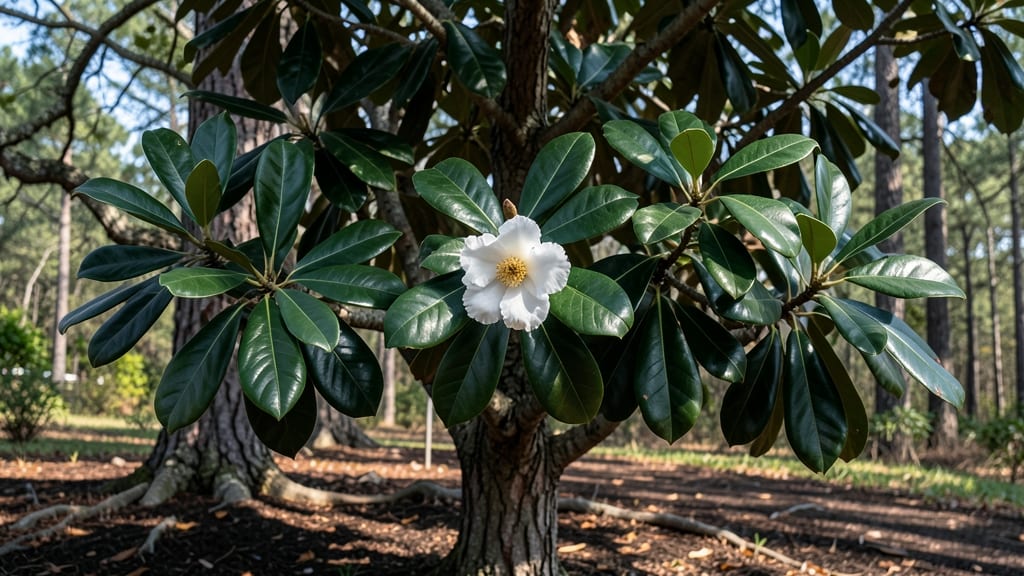
Magnolia trees bloom in Georgia between late winter and early spring, with varieties like the Southern Magnolia 🌸 often gracing yards by March and others lingering until April.
But here’s the catch: timing shifts dramatically depending on whether you’re in the chilly North Georgia mountains or the milder coastal plains. A late frost in Zone 7a might delay blooms, while Zone 8b gardeners could see flowers weeks earlier.
If you’ve ever missed the show because you planted the wrong variety or ignored your local frost dates, you’re not alone. The difference between a Star Magnolia (early bloomer) and a Saucer Magnolia (mid-season) can mean the difference between a springtime spectacle and a quiet yard.
Below, I’ll break down the exact bloom windows for Georgia’s most popular varieties, how climate zones affect timing, and the simple tricks to ensure your magnolia steals the show every year.
Georgia Magnolia bloom times by variety: southern vs. late-blooming species
Georgia’s magnolia trees are iconic, but their bloom times vary dramatically between varieties and regions. The Southern Magnolia (Magnolia grandiflora) and Star Magnolia (Magnolia stellata) are two of the most popular, but their flowering windows don’t overlap.
Understanding these differences helps you choose the right magnolia for your garden and plan when to admire their stunning displays. In Georgia’s USDA zones 7a–8b, bloom timing shifts based on elevation, coastal proximity, and microclimates.
For example, Southern Magnolias bloom later in the season, often between May and July, while Star Magnolias burst into flowers as early as February or March. This timing difference means you can enjoy magnolia blooms for nearly half the year if you plant a mix of varieties.
Regional variations also play a role—coastal areas like Savannah tend to see earlier blooms, while inland zones like Athens may experience delays due to cooler temperatures.
Southern Magnolia is Georgia’s state tree and a late bloomer, making it perfect for summer gardens. Its large, fragrant flowers appear after the last frost, typically in late May to early June in North Georgia and as late as July in South Georgia. Meanwhile, Star Magnolia is a winter bloomer, often flowering in February or March before spring foliage emerges. This early bloom makes it a standout in winter landscapes.
Here’s how bloom times compare across Georgia’s three main regions, with key varieties highlighted:
| Variety | Bloom Time (North GA) | Bloom Time (Central GA) | Bloom Time (South GA) | Key Features |
|---|---|---|---|---|
| Southern Magnolia (Magnolia grandiflora) | Late May – Early June | Mid-May – Late June | Early June – July | Large, evergreen leaves; fragrant flowers; late-season blooms |
| Star Magnolia (Magnolia stellata) | Late February – March | Early February – Late March | January – Early February | Dwarf size; star-shaped flowers; early winter blooms |
| Saucer Magnolia (Magnolia × soulangeana) | Late March – April | Early March – Late April | February – Early March | Large, saucer-shaped blooms; early spring flowers |
| Little Gem Magnolia (Magnolia grandiflora 'Little Gem') | Late May – June | Mid-May – Late June | Early June – July | Compact size; evergreen; late blooms |
| Yulan Magnolia (Magnolia denudata) | Late March – April | Early March – Late April | February – Early March | White, cup-shaped flowers; early blooms; deciduous |
If you’re in North Georgia (Zone 7a), expect cooler springs that delay blooms for varieties like the Saucer Magnolia until late March or April. In contrast, South Georgia (Zone 8b) often sees earlier blooms, with Star Magnolias flowering as early as January.
This regional shift means gardeners in coastal areas can enjoy magnolia blooms for a longer stretch of the year compared to those in the Piedmont.
Another factor to consider is microclimates. Urban areas with heat islands may experience slightly earlier blooms, while rural or higher-elevation spots could see delays. For instance, a Southern Magnolia in Athens (Zone 7b) might bloom a week later than one in Savannah (Zone 8a).
Paying attention to these nuances helps you predict bloom times more accurately for your specific location.
For gardeners eager to extend the magnolia bloom season, planting a mix of early, mid, and late-season varieties is key. Pair a Star Magnolia for winter blooms with a Saucer Magnolia for early spring, followed by a Southern Magnolia for summer.
This strategy ensures your garden stays vibrant from February through July, giving you a continuous display of magnolia beauty.
Climate also plays a role in bloom reliability. Late frosts can damage early bloomers like the Star Magnolia, while drought stress may reduce the number of flowers on Southern Magnolias.
To mitigate these risks, mulch around the base of your magnolias in late winter to protect roots from temperature swings. Additionally, water deeply during drought periods to support healthy growth and abundant blooms.
One of my favorite varieties for early blooms is the Jane Magnolia (Magnolia × 'Jane'), which flowers in late winter and is more frost-resistant than traditional Star Magnolias
How Georgia’s climate zones (7a–8b) affect Magnolia bloom timing
Georgia’s USDA climate zones 7a–8b create dramatic differences in magnolia bloom timing, shifting from early spring to late winter depending on your location.
In coastal areas (Zone 8a/b), like Savannah, blooms often begin as early as mid-February, while inland Piedmont regions (Zone 7a) may see first flowers in late March or early April. These variations matter for gardeners planning spring weddings, landscape highlights, or simply enjoying nature’s show.
Microclimates add another layer—urban heat islands in Atlanta can push blooms 2–3 weeks earlier than rural mountain foothills. Even within a single county, a 10-mile elevation change might delay blooms by 10–14 days.
Understanding these patterns helps you choose magnolia varieties that sync with your local frost dates and extend your viewing window.
🌸 Georgia Magnolia Bloom Calendar by Zone
| Zone | Bloom Window | Key Varieties | Frost Risk |
|---|---|---|---|
| 8a/b (Coastal) | Mid-February to early April | Southern Magnolia, Jane, Ann | Low (after March 1) |
| 7b (Central) | Late February to mid-April | Star Magnolia, Saucer Magnolia | Moderate (before March 15) |
| 7a (North) | Early March to late April | Little Gem, Yellow Magnolia | High (before March 10) |
💡 Pro Tip: Plant late-blooming varieties in colder zones to avoid frost damage.
In Zone 8a/b, where winters are milder, Southern Magnolias (Magnolia grandiflora) often bloom in late winter or early spring, sometimes even in December if temperatures stay above freezing. These trees thrive in coastal humidity and can produce fragrant white flowers that last through summer.
Meanwhile, Star Magnolias (Magnolia stellata) in Zone 7b burst into color in February, their pink or white star-shaped blooms appearing before leaves emerge.
For Zone 7a gardeners, late frosts (common until March 15) can devastate early blooms. Here, Little Gem and Yellow Magnolia varieties often wait until April to flower, aligning with safer temperatures.
To extend bloom seasons, choose multiple varieties—plant a Star Magnolia for early color and a Saucer Magnolia for mid-spring displays. This staggered approach ensures continuous blooms from February through May.
Microclimates also play a role—south-facing slopes in the Piedmont warm up faster, potentially triggering blooms 2 weeks earlier than nearby valleys. If you live in a transition zone (like Zone 7b/8a borders), monitor local frost-free dates and consider protective measures like lightweight row covers for vulnerable buds.
Even a 5°F difference can shift bloom timing by 1–2 weeks.
To maximize blooms, align your planting season with local climate patterns. Fall-planted magnolias (September–November) establish roots before winter, giving them a head start for spring flowering.
In warmer zones, prune after blooming to avoid cutting next year’s flower buds, while cooler zones benefit from light pruning in late winter to shape the tree without sacrificing blooms.
🌿 Whether you’re in Savannah’s humid lowlands or Dahlonega’s cooler hills, Georgia’s magnolia bloom timing is a dance with climate. By understanding your USDA zone, microclimate, and variety preferences, you can create a year-round floral showcase that turns your garden into a living masterpiece.