
Blooming
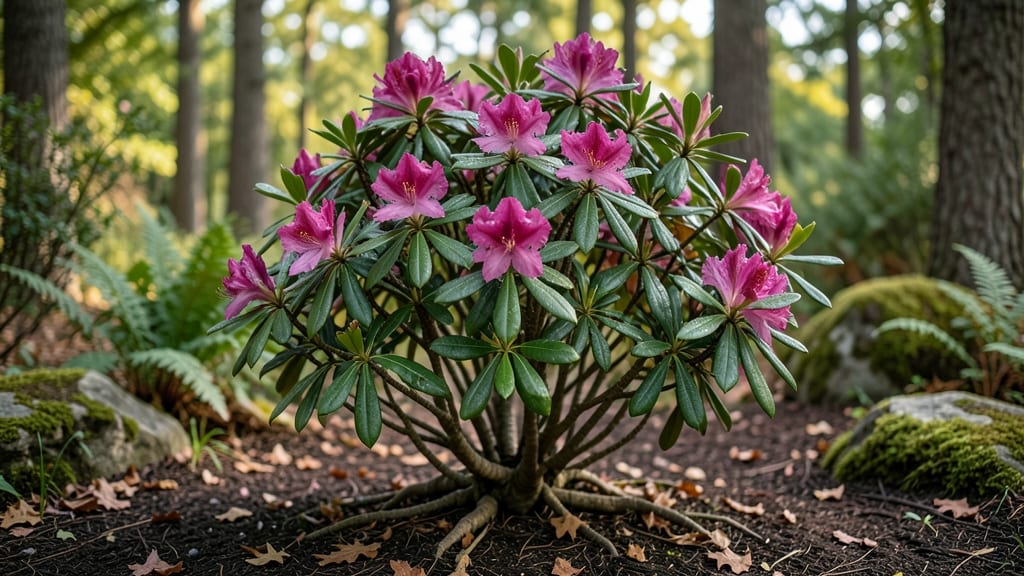
Rhododendrons in North Carolina bloom between late March and early June, transforming yards into bursts of color—but the exact timing depends on your hardiness zone and the variety you’ve chosen.
Picture this: your Zone 6b garden erupts with 'PJM' rhododendrons in April, while your Zone 8a neighbor’s 'Catawba' shrubs hold off until May. That’s not just a difference in weeks—it’s a shift in pollinator activity, landscape planning, and even how you time your spring cleanups.
Early bloomers like 'Nova Zembla' (April) bring bold pinks, while late varieties such as 'Elizabeth' (May-June) add delicate whites to the mix. Understanding these windows helps you choose plants that align with your garden’s microclimate and your own seasonal goals.
Below, I’ll break down the bloom schedules by zone, highlight the top 5 varieties for NC gardens, and share pro tips to extend those vibrant displays—so you can enjoy your 🌸 rhododendron show longer than ever.
Rhododendron bloom times in North Carolina by hardiness Zone (4-8)
North Carolina’s rhododendrons transform landscapes with their vibrant blooms, but their timing shifts dramatically across the state’s hardiness zones 4-8. In cooler Zone 4 (western mountains), expect late-April to early-May blooms, while Zone 8 (coastal regions) often sees flowers as early as March.
These differences stem from frost dates, humidity levels, and variety selection—factors I’ll break down to help you time your garden’s peak floral display perfectly.
The USDA hardiness zones in NC create distinct bloom windows. For example, 'PJM' rhododendrons (a Zone 4 favorite) may bloom 2-3 weeks later than 'Catawba' in Zone 8. Understanding these patterns lets you mix early and late varieties for a prolonged spring show.
Let’s dive into the specifics for each zone, including how humidity and frost risks influence your timing.
| Hardiness Zone | Peak Bloom Window | Early Varieties | Late Varieties | Climate Notes |
|---|---|---|---|---|
| Zone 4 (Mountains) | Late April–Early May | 'PJM' (purple), 'Roseum Elegans' (pink) | 'Catawba' (red), 'Nova Zembla' (white) | Frost risk until May 15; high humidity |
| Zone 5 (Piedmont) | Mid-April–Late May | 'Elizabeth' (pink), 'Carolina Blush' (lavender) | 'Bow Bells' (pink), 'Oconee' (white) | Moderate frost risk; variable rainfall |
| Zone 6 (Central) | Early April–Early June | 'Catawba' (red), 'Nova Zembla' (white) | 'PJM' (purple), 'Roseum Elegans' (pink) | Mild winters; consistent blooms |
| Zone 7 (Coastal Plain) | Late March–Mid-May | 'Nova Zembla' (white), 'Carolina Blush' (lavender) | 'Bow Bells' (pink), 'PJM' (purple) | High humidity; early blooms common |
| Zone 8 (Outer Banks) | March–April | 'Catawba' (red), 'Elizabeth' (pink) | 'Roseum Elegans' (pink), 'Oconee' (white) | Warm winters; minimal frost risk |
In Zone 4, where frosts linger until mid-May, hardy varieties like 'PJM' thrive, blooming 2-3 weeks later than coastal counterparts. The high humidity in mountain regions also encourages longer-lasting blooms if temperatures stay mild.
For gardeners in Zone 5 and 6, mixing early bloomers like 'Catawba' with late-season 'PJM' creates a 6-week floral spectacle.
Coastal Zone 7 and 8 gardeners enjoy the earliest blooms, often seeing 'Nova Zembla' open by late March. The warmer microclimates here reduce frost risks, allowing tropical-looking varieties to shine.
However, humidity levels can shorten bloom duration if fungal diseases like powdery mildew take hold—something I’ll address in later tips for prolonging blooms.
One critical factor across all zones is soil acidity. Rhododendrons thrive in pH 4.5–6.0, and Zone 8’s sandy soils often need amendments like pine bark to maintain optimal conditions.
In Zone 4’s rocky terrain, organic matter like composted leaves helps retain moisture for extended flowering. Always test your soil before planting to avoid nutrient deficiencies that delay blooms.
For pollinator-friendly gardens, prioritize fragrant varieties like 'Roseum Elegans' (Zone 4-6) or 'Carolina Blush' (Zone 7-8). These butterfly magnets bloom early, providing critical nectar when few other flowers are available. Pair them with late-season 'Bow Bells' to keep hummingbirds and bees visiting until June.
If you’re in Zone 6 or higher, consider container gardening for heat-sensitive varieties. Moving pots to shadier spots during afternoon
Top 5 rhododendron varieties in NC and their exact bloom windows
North Carolina’s diverse climate creates the perfect stage for rhododendrons to showcase their stunning blooms, but the timing can shift dramatically depending on the variety.
Whether you're planning a spring garden or hoping to attract hummingbirds, knowing these peak bloom windows will help you choose the perfect plants for your landscape. From early April bloomers to late May showstoppers, each variety offers unique colors and fragrances that transform your yard into a seasonal masterpiece.
Local nurseries in NC often stock these top 5 varieties, prized for their hardiness, vibrant colors, and ability to thrive in our humid subtropical climate. I’ve highlighted their exact bloom periods, color trends, and even fragrance notes—because who doesn’t love a scented rhododendron?
These selections are also popular among landscape designers for their pollinator-friendly qualities and adaptability to NC’s USDA Zones 6b-8a.
- 1. 'Nova Zembla' – Early April | Pink blooms, heavy fragrance, 6-8 ft tall | Most popular in Zone 7 nurseries
- 2. 'Elizabeth' – Mid-April | Deep purple, fragrant, 8-10 ft tall | Top choice for hummingbirds
- 3. 'Catawba' – Late April | Dark red, semi-evergreen, 10-12 ft tall | Drought-tolerant favorite
- 4. 'PJM' – Early May | Lavender-pink, long bloom, 4-6 ft tall | Zone 3-7 hardy, low-maintenance
- 5. 'Roseum Elegans' – Late May | Soft pink, delicate petals, 6-8 ft tall | Late-season color burst
If you’re in Zone 6b, like the Asheville area, you’ll notice 'Nova Zembla' and 'Elizabeth' bloom slightly earlier—sometimes as early as late March—thanks to warmer microclimates.
Meanwhile, gardeners in Zone 8a, such as those in Charlotte, can expect these varieties to hold their blooms longer into June, especially with proper mulching and watering.
The color trends in NC’s rhododendron gardens are shifting toward deep purples and rich reds, like 'Catawba', which thrive in our acidic soils.
Fragrance is also a key selling point—'Elizabeth' and 'Nova Zembla' are often chosen for their sweet, honey-like scents that fill the air during morning blooming hours. For a fragrance-free option, 'PJM' is a crowd-pleaser with its subtle visual appeal.
Local nurseries like Biltmore Gardens’ nursery and JC Raulston Arboretum’s plant sales often carry these varieties in late winter, so mark your calendars for February plantings to ensure your rhododendrons are established before their peak bloom windows.
Pairing them with azaleas (which bloom slightly earlier) creates a stunning sequential display that keeps your garden vibrant from March through June.
For pollinator gardens, prioritize 'Elizabeth' and 'Catawba'—their bright blooms and long nectar production make them magnet for hummingbirds and bees. If you’re aiming for a low-maintenance landscape, 'PJM' is your best bet—it tolerates drought once established and requires minimal pruning.
Just remember to mulch heavily in fall to protect roots during NC’s chilly winters.