
Blooming
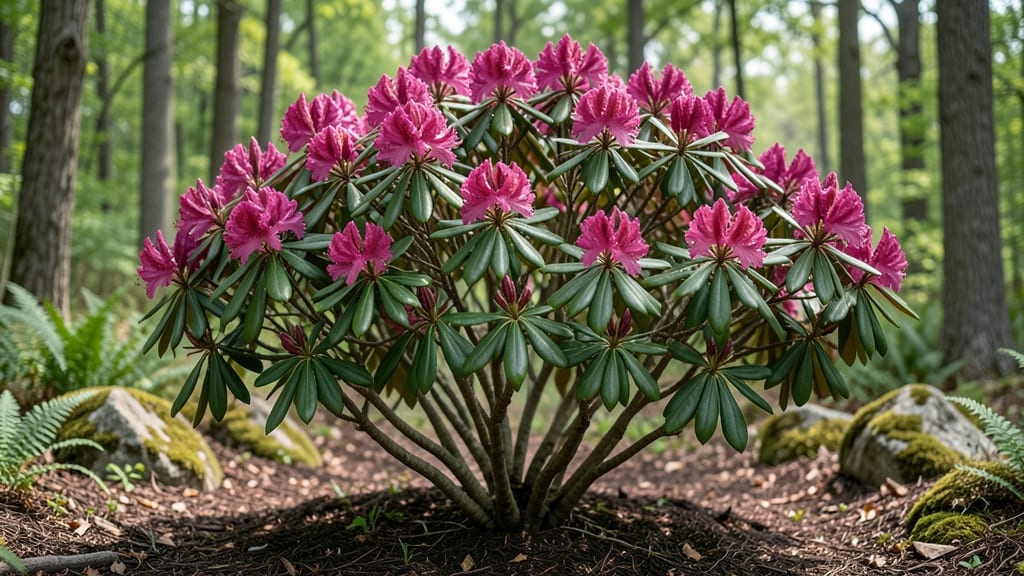
Rhododendrons bloom in West Virginia between late April and early June, with early varieties like 'PJM' opening in late April and late bloomers such as 'Nova Zembla' appearing in late May to early June, depending on elevation and frost timing.
West Virginia's diverse elevations create a stunning rhododendron bloom parade across the state. 🌸 The Appalachian foothills often see flowers appear 1-2 weeks earlier than the Allegheny Plateau, where cooler nights delay bud opening.
I've noticed that lower-elevation gardens near Charleston can expect blooms as early as mid-April for hardy varieties, while higher mountain regions might see delayed flowering until early June.
This timing variation makes spring an exciting season for gardeners, as different rhododendron cultivars create a cascading display that lasts nearly two months.
What's particularly interesting is how frost dates influence these timelines. A late spring frost can damage emerging buds, while an early frost might actually protect late bloomers from heat stress. I always recommend monitoring local frost forecasts and choosing varieties that match your specific microclimate.
For example, 'Catawbiense Album' typically blooms in early May in the northern panhandle but might wait until late May in the southern counties.
💡 In This Article
- Rhododendron Bloom Timing by Variety in WV
- Microclimate Factors Affecting Rhododendron Blooms
Rhododendron bloom timing by variety in WV
West Virginia's rhododendron varieties create a spectacular bloom progression because each cultivar has evolved to respond differently to the state's varied climate zones.
The early bloomers like 'PJM' (Rhododendron 'PJM') typically open their buds in late April across most of the state, but this timing can shift 3-5 days earlier in lower elevations near the Ohio River Valley compared to higher elevations in the Appalachian Mountains.
These early varieties often produce purple-pink flowers that measure about 2-3 inches wide, creating stunning focal points in gardens.
The mid-season bloomers like 'Catawbiense Grandiflorum' usually appear in early to mid-May, with their deep magenta flowers lasting 2-3 weeks. What's fascinating is how these varieties often rebloom lightly in late summer if given consistent moisture.
Late bloomers such as 'Nova Zembla' and 'Elizabeth' typically emerge in late May to early June, with 'Nova Zembla' producing light pink flowers that can reach 4 inches across. These late varieties often benefit from the warmer soil temperatures that develop by June.
Hardiness zones play a crucial role in these timelines. Most West Virginia gardens fall within zones 5-7, with the northern panhandle (zone 6) often seeing blooms 1-2 weeks earlier than the southern counties (zone 7).
The PJM rhododendron, for example, thrives in zone 4-8, making it one of the most reliable early bloomers across the state. Meanwhile, varieties like 'Roseum Elegans' (zone 5-8) typically bloom 10-14 days later than 'PJM' due to their slightly later bud set in autumn.
Color also affects bloom timing slightly, as darker flowers often require more warmth to fully open. The deep purple 'Roseum Elegans' might delay opening by 3-5 days compared to lighter varieties like 'Catawbiense Album' (white blooms) in the same microclimate.
This color-related variation creates beautiful visual gradients in gardens where multiple varieties are planted together. 🌸
For gardeners planning their displays, understanding these variety-specific timelines allows for strategic planting.
Early bloomers like 'PJM' can be paired with late tulips to create a 4-6 week continuous bloom period, while late rhododendrons like 'Nova Zembla' can extend the show into early summer when many other spring flowers have faded.
The key is selecting varieties that complement each other's bloom windows while matching your local climate patterns.
One pro tip I've learned is to monitor the chilling hours your rhododendrons receive during winter. Most varieties need 500-1,000 hours below 45°F to set proper buds for spring blooming.
West Virginia typically provides ample chilling, but unusually warm winters can reduce bloom quality or delay timing by 1-2 weeks. This is why northern West Virginia often has more reliable blooms than the southern regions during mild winters.