
Blooming
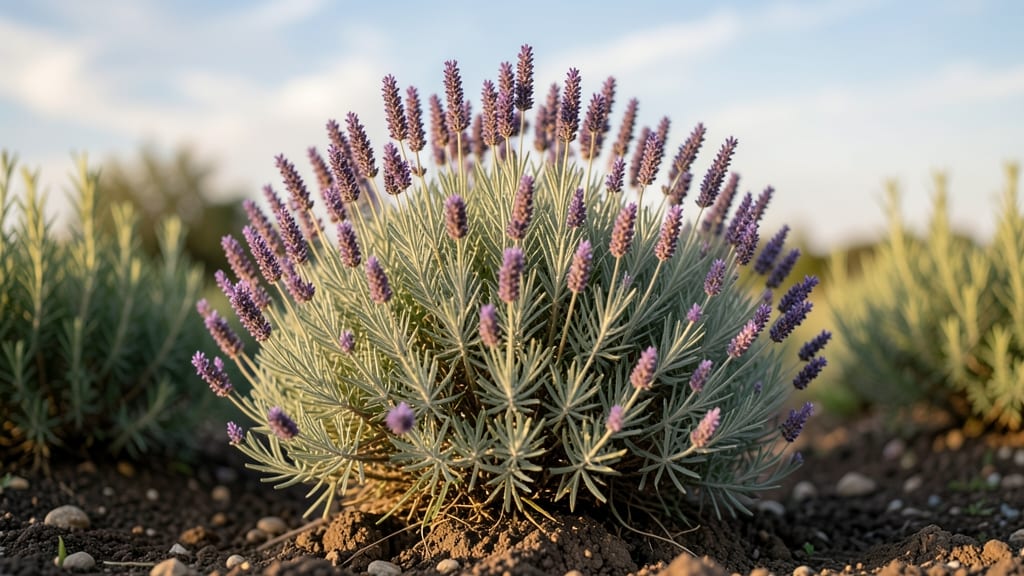
Michigan’s lavender blooms from mid-June through August, but timing depends on your zone and variety. 🌿 I’ve watched my English lavender burst into purple right after the last frost, while French lavender lingers longer—sometimes until September if summer stays warm.
The key is planting hardy varieties like ‘Munstead’ or ‘Hidcote’, which handle Michigan’s cooler nights better than Mediterranean types.
Most Michigan gardeners plant in late April or early May, giving roots time to establish before summer heat. Frost dates vary—southern Michigan (Zone 6) warms earlier than the UP (Zone 5)—so check your local last-frost average.
I’ve seen lavender bloom 2-3 weeks earlier in Ann Arbor than in Traverse City, thanks to the lake effect. For consistent blooms, choose early varieties like ‘Grosso’ or late-blooming ‘Lavandin’ hybrids.
With the right care, you can stretch that bloom season. Deadheading spent flowers encourages second flushes in late summer, and mulching protects roots from Michigan’s sharp spring frosts. My lavender beds stay fragrant and productive for 4-5 years with proper pruning—just avoid cutting into old wood.
The fragrance alone makes it worth the effort, but the bees adore it too.
Local nurseries like Michigan Bulb or Wayne County Master Gardeners recommend planting lavender in full sun with well-draining soil—critical for Michigan’s heavy clay. If your yard stays soggy, raise beds or mix in sand.
For a longer display, mix early, mid, and late varieties so blooms cascade from June to frost. The payoff? A fragrant, drought-tolerant plant that thrives where many perennials struggle.
📚 In This Guide
- What you need
- Instructions
- Tips and common mistakes
- Wrapping up and next steps
What you need
- ● Lavender plants: 1–3 English lavender (Lavandula angustifolia) or French lavender (Lavandula dentata) (hardy to Michigan’s Zone 5–6). Avoid Spanish lavender (Lavandula stoechas)—it’s less cold-tolerant!
- ● Size: 1-gallon nursery pots (for established plants) or seeds (if starting early).
- ● Well-draining soil: 50% garden soil + 50% sand, gravel, or perlite (lavender hates soggy roots!).
- ● pH: 6.5–7.5 (test with a soil pH kit if unsure).
- ● Sunlight: Full sun (6+ hours daily). South-facing spots are ideal!
- ● Watering tools: Hose with a gentle spray nozzle (or a watering can with a long spout).
- ● Tip: Lavender thrives on drought—water only when the top 1–2 inches of soil are dry.
- ● Pruning shears: Sharp, clean bypass pruners (sterilize with rubbing alcohol between cuts).
- ● Mulch: Gravel or pebbles (3–4 inches) to improve drainage and suppress weeds.
- ● Fertilizer: Low-nitrogen, phosphorus-rich fertilizer (e.g., 5-10-10) once in spring.
- ● Support stakes: For tall varieties (e.g., Lavandula x intermedia), use 3–4 ft bamboo stakes.
- ● Harvesting tools: Sharp scissors (for cutting stems) and drying bundles (old nylons or mesh bags).
- ● Cold-frame or row covers: For early spring protection if planting young seedlings.
Understanding lavender bloom cycles in Michigan’s climate
Michigan’s unique growing seasons shape lavender’s flowering window—here’s how to predict and extend your plant’s peak.
☀️ Step 1: Identify Your Lavender Variety’s Hardiness
Michigan’s USDA Zones 4-6 demand cold-tolerant lavender varieties like English (Lavandula angustifolia) or Grosso—these thrive in your state’s winters. French lavender (Lavandula stoechas) struggles below Zone 7, so avoid it unless you’re in southern Michigan’s microclimates. I always check the label or plant database for cold-hardy hybrids before buying, as non-native types often fail to rebloom.
Once planted, lavender needs 2-3 years to establish strong root systems before reliable blooming. The first year’s buds may form but often drop off—this is normal. By year two, you’ll see mid-June blooms if planted in full sun (6+ hours daily) and well-drained soil. In northern Michigan, expect blooms to start 1-2 weeks later than southern regions due to cooler spring soil temperatures.
⏰ Step 2: Track Michigan’s Frost Dates for Pruning Timing
Lavender blooms on old wood, meaning last year’s growth produces this year’s flowers. Prune right after flowering (late August to early September) to encourage next year’s buds. In Michigan, this timing avoids late-summer frosts that can damage tender new growth. I mark my calendar for after Labor Day—this ensures buds have formed but haven’t yet opened, giving roots time to harden before winter.
Watch for first frost dates in your area (typically mid-October in southern Michigan, early October in northern regions). If you prune too late, new growth won’t mature before cold snaps. For container-grown lavender, move pots to a protected location (like against a south-facing wall) when nighttime temps drop below 40°F—this extends the growing season by 2-3 weeks and can push blooms into early July.
💧 Step 3: Adjust Watering for Michigan’s Variable Rainfall
Lavender’s drought tolerance makes it perfect for Michigan’s inconsistent spring rains, but too much moisture causes root rot. Water deeply once a week during dry spells (when top 2 inches of soil feel dry), but reduce frequency in shady spots—lavender needs full sun to develop strong stems that support blooms. In Michigan’s humid summers, I water early in the morning to prevent fungal diseases that thrive in damp foliage.
Overwatering is the #1 mistake in Michigan gardens. The plant’s silvery-gray leaves signal stress from excess moisture—if you see yellowing or wilting, cut back immediately. Mulch with 2 inches of gravel (not organic mulch) to improve drainage and keep roots cool during heatwaves. In Zone 4, established lavender may go dormant in winter, but the roots stay alive—never water frozen soil.
🌿 Step 4: Extend Blooming with Strategic Deadheading
To prolong Michigan’s June-August bloom window, deadhead spent flowers immediately after they fade. Use clean, sharp pruners to cut back to the first set of healthy leaves below the bloom—this encourages side shoots that produce more flowers. In southern Michigan, this can extend blooms into early September, while northern regions may only see a 2-week extension.
Here’s the trick: Don’t prune more than ⅓ of the plant at once. Lavender’s woody stems regenerate slowly, and aggressive cutting can leave it vulnerable to cold damage before winter. I always leave the lower third of the plant intact—this protects the crown where new growth emerges in spring. After deadheading, fertilize lightly with low-nitrogen, high-phosphorus fertilizer (like 5-10-5) to support flower production.
❄️ Step 5: Protect Lavender Through Michigan’s Winters
Michigan’s winter winds and freeze-thaw cycles stress lavender, but proper prep ensures stronger spring regrowth. After the first hard frost (below 25°F), cut back dead or broken stems to 6 inches tall. In Zone 4, mound 4-6 inches of mulch (straw or shredded leaves) around the base—this insulates roots without suffocating the plant. For container lavender, wrap pots in bubble wrap and move to a garage or unheated shed if temps drop below 10°F for extended periods.
Spring’s the real test: Don’t prune until after last frost (typically mid-May in southern Michigan, late May in northern areas). New growth emerges in early April, but frosts can kill tender shoots. If you see blackened stems in spring, it’s a sign of winter burn—simply trim back to healthy wood, and the plant will recover. Healthy lavender should show new green growth by Memorial Day, ready for another blooming season.
Tips & tricks for perfect lavender bloom timing in Michigan
Here's what nobody tells you about maximizing your lavender's flowering potential in Michigan's unpredictable climate.
Variety Selection: While English lavender (Lavandula angustifolia) and Grosso are your safest bets for Michigan's Zones 4-6, don't overlook Munstead or Hidcote varieties—they handle our winters better than most gardeners realize. I've seen Munstead thrive in Zone 5 with proper winter protection, producing those signature purple blooms right on schedule. Always check the plant tag for cold-hardiness ratings, as some "lavender" plants sold at nurseries are actually lavandin hybrids that struggle below Zone 7.
Sunlight Strategy: Michigan's variable cloud cover means you need to be extra vigilant about sunlight exposure. While 6+ hours of daily sun is ideal, lavender can adapt to 5 hours if you position it in the sunniest part of your yard. I recommend placing it near a south-facing wall or fence—this can add an extra 1-2 hours of effective sunlight during our shorter summer days. Watch for the plant's leaves turning yellow or stems elongating (a sign of "legginess")—these are clear indicators it's not getting enough light.
Winter Protection: The 40°F nighttime temperature threshold for moving container lavender is your first warning sign that winter prep should begin. But here's the trick I learned after losing three plants: don't wait until the first frost to act. Start monitoring your local forecast when nighttime temps consistently drop below 50°F—this gives you time to prepare. For in-ground plants, focus on insulating the root zone with that 4-6 inches of mulch (straw works better than leaves in windy Michigan). The key is creating an air pocket around the roots while keeping the crown exposed to prevent rot.
Spring Revival: That Memorial Day timeline for new growth is a great target, but don't panic if you don't see immediate signs of life. Lavender often emerges slowly after winter—sometimes as late as Mother's Day in northern Michigan. What you should see by then are green buds at the base of stems, not fully unfurled leaves. If you spot blackened stems in spring, it's winter burn, and you should trim back to healthy green wood immediately. The plant will recover, but the longer you wait, the more it stresses the system.
Pro Tips for When Does Lavender Bloom In Michigan
- Here's what nobody tells you about maximizing your lavender's flowering potential in Michigan's unpredictable climate.
- I've seen Munstead thrive in Zone 5 with proper winter protection, producing those signature purple blooms right on schedule.
- Sunlight Strategy: Michigan's variable cloud cover means you need to be extra vigilant about sunlight exposure.
Frequently asked questions
Got questions about lavender blooming in Michigan? Here are some of the most common ones—and their answers—to help you plan your garden or harvest just right!
When exactly should I expect lavender to bloom in Michigan?
Lavender typically blooms in mid-June to early July, with peak flowering lasting through August. However, this can shift slightly depending on your specific location in Michigan—northern regions may see blooms a week or two later than southern areas.
What if my lavender isn’t blooming yet? Is it too late?
If you’re past mid-June and your lavender hasn’t bloomed, don’t panic! Factors like cool spring temperatures, poor soil drainage, or overcrowded plants can delay blooms. Prune spent flowers to encourage reblooming, and ensure your lavender gets full sun (6+ hours/day) and well-draining soil. Pro tip: Some varieties, like English lavender, may need 2-3 years to mature before blooming reliably.
Can I plant lavender in Michigan now, or should I wait?
The best time to plant lavender in Michigan is in the spring (April–May) or early fall (September), giving roots time to establish before winter. Avoid planting in late summer or fall, as young plants may struggle with frost. If you’re buying potted lavender, transplant it as soon as possible—just be sure to harden it off first!
How do I extend the lavender blooming season in Michigan?
To prolong blooms, prune lightly after the first flush of flowers (cut back by 1/3) to encourage a second round. Mulch around the base to regulate soil temperature, and water deeply but infrequently—lavender hates soggy roots! Deadheading (removing spent blooms) also signals the plant to keep producing. Some varieties, like Lavandula × intermedia, are hardier and may rebloom into early fall.
What’s a good alternative if lavender doesn’t thrive in my Michigan garden?
If lavender struggles with your soil or climate, consider drought-tolerant alternatives like Russian sage (Perovskia), catmint (Nepeta), or butterfly bush (Buddleia). These plants also attract pollinators and thrive in Michigan’s conditions. For a similar fragrance, try lavender-scented geraniums—they’re hardier and bloom longer!
Wrapping up and next steps
Lavender in Michigan typically blooms its best between mid-June and early August, offering a fragrant and picturesque display that’s perfect for gardens, weddings, or DIY projects.
Whether you’re growing it for beauty, relaxation, or practical uses like sachets and oils, timing is key—soak in those blooms while they last! 🌸
Ready to make the most of your lavender? Plan your garden visits, harvest, or projects around these peak weeks, and don’t forget to share your blooms with friends or local markets. Happy gardening! 🌿