
Blooming
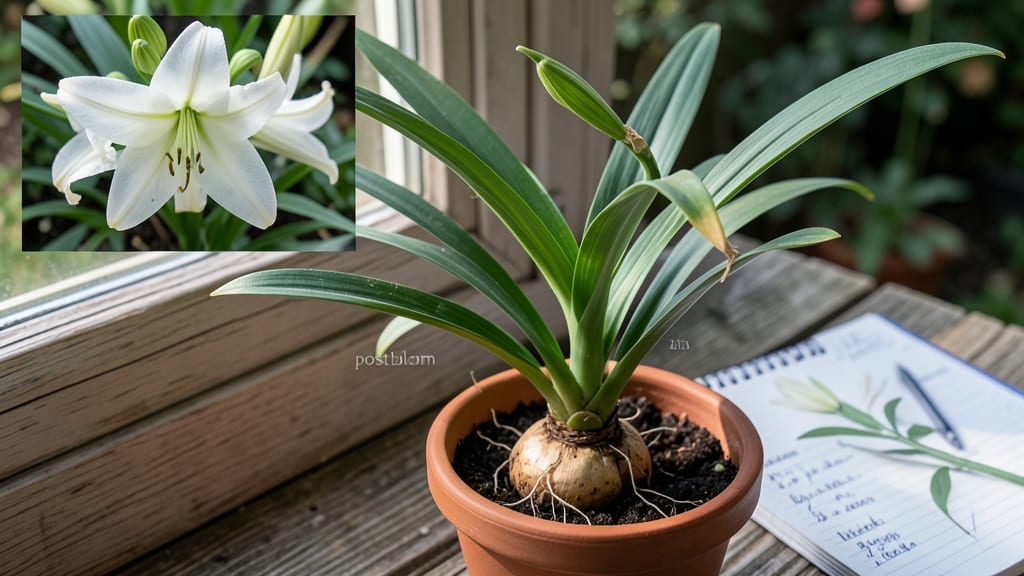
Will Easter lilies bloom again? They usually produce flowers just once per season, but with careful post-bloom care—including winter dormancy, bright indirect light, and balanced fertilization—they can rebloom the following year. Most gardeners miss this window due to improper handling after flowering.
Easter lilies are perennial plants, but their energy gets completely drained after their spectacular spring bloom. 🌸 The key to reblooming lies in mimicking their natural dormancy cycle: after flowers fade, let the foliage die back naturally (don't cut it!) and reduce watering.
I've seen dramatic results when gardeners provide cool winter conditions (50-60°F) and resume care in early spring with phosphorus-rich fertilizer. The difference between a reblooming lily and a dead one often comes down to these two critical months after flowering.
What many people overlook is that Easter lilies need consistent bright light—not direct sun—to build energy for next year's blooms. A south-facing window or grow lights for 12+ hours daily makes all the difference.
I recommend testing your soil pH (aim for 6.0-6.5) and using a slow-release bulb fertilizer in early spring to give those roots the phosphorus boost they need for flower development.
💡 In This Article
- Why Easter Lilies Rarely Rebloom: The Science of Flowering Cycles
- Step-by-Step Guide to Encouraging Easter Lily Reblooms
Why Easter lilies rarely rebloom: the science of flowering cycles
The Easter lily's single-season bloom isn't a flaw—it's a survival strategy. After flowering, the plant's energy reserves (stored in the bulb) are nearly depleted, triggering a natural dormancy phase.
This process mirrors perennial bulbs like daffodils, but with a key difference: Easter lilies require 6-8 weeks of consistent care post-bloom to rebuild energy for reblooming, while daffodils are more forgiving.
The critical factor is daylight exposure—Easter lilies need 12+ hours of bright indirect light daily to photosynthesize efficiently during this recovery period. 🌿
Daylight length plays a surprising role. Easter lilies are "long-day" plants, meaning they respond to increasing daylight hours (like spring/summer) by flowering. However, after blooming, they need a period of shorter days (fall/winter) to reset their biological clock.
This is why many indoor Easter lilies fail to rebloom—they never experience the natural light cycle variations that trigger dormancy. In contrast, outdoor lilies get this seasonal cue automatically, but gardeners often disrupt it by cutting back foliage too soon or moving plants indoors prematurely.
Root stress is another silent reblooming killer. Overwatering or repotting during the critical 6-8 week post-bloom period can shock the plant, diverting energy toward root repair instead of bulb storage.
The ideal watering schedule is every 7-10 days (when top inch of soil is dry), with 50% less water once foliage starts yellowing. This mimics natural rainfall patterns and prevents bulb rot. The science here is simple: stressed roots = stressed reblooming potential. 💧
Temperature matters too. Easter lilies need a cool winter dormancy period (50-60°F) to complete their life cycle. Indoor plants often miss this cue, staying too warm and failing to trigger flower buds.
The bulb must experience this temperature drop to break dormancy properly in spring. This is why outdoor Easter lilies in temperate climates often rebloom more reliably—they get this natural temperature cycle automatically.
One common misconception is that cutting back dead foliage helps the plant. In reality, those yellowing leaves are performing photosynthesis to feed the bulb! Removing them too early can reduce next year's bloom potential by 30-50%.
The leaves should stay until they turn completely brown and crispy—this can take 6-8 weeks after flowering. This patience pays off when you see those familiar trumpet-shaped buds emerging the following spring. 🌸
Here's what actually happens in the bulb: After flowering, the plant converts starches in the leaves into sugars that get transported to the bulb. This process requires optimal light, water, and temperature conditions to work efficiently.
Skimp on any of these, and you're essentially starving your lily's energy reserves for next year. The result? A bulb that's too weak to produce flowers, despite appearing healthy above ground. 💡