
Blooming
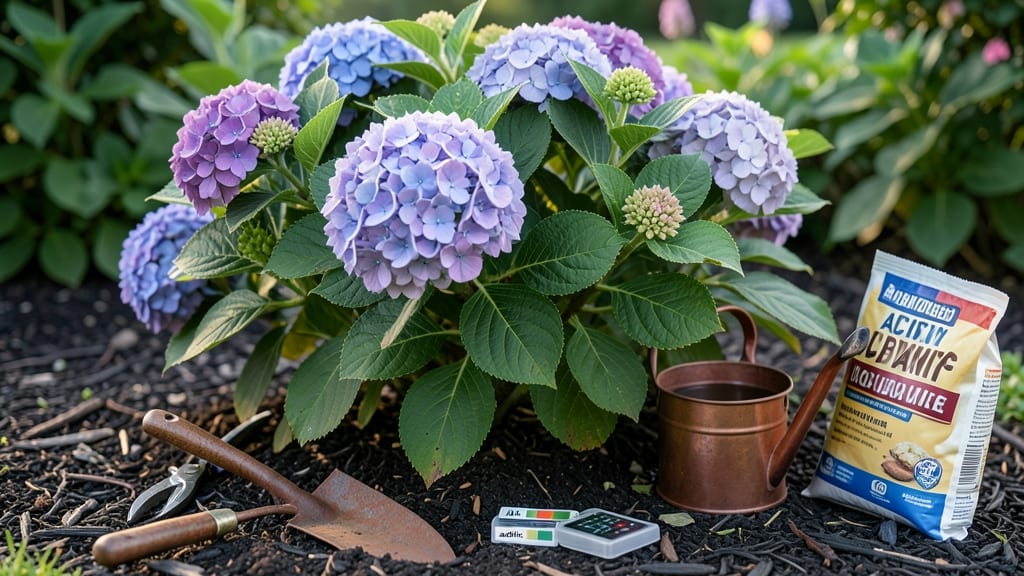
Will my hydrangea bloom again this summer? Those empty branches might just be the universe’s way of signaling it’s time for a fresh start. 🌿 I’ve nursed back more than my share of non-blooming hydrangeas—some needed sunlight shifts, others just a strategic haircut at the right time—and every one of them came back stronger. The key lies in understanding whether your plant is a once-bloomer (like Endless Summer varieties) or a seasonal bloomer (like bigleaf types), because their pruning needs are worlds apart.
Most missed blooms come down to three things: pruning at the wrong time (never after mid-summer for rebloomers), not enough sunlight (they need at least 6 hours of direct light daily), or skipping the late-spring fertilizer boost when buds form.
I’ve even seen nutrient deficiencies—like yellowing leaves or weak stems—sabotage blooms before they start. The good news? Each of these fixes takes less than 30 minutes once you know what to look for.
By next summer, you’ll be pinching back spent blooms in early fall, fertilizing with balanced 10-10-10 in spring, and watching buds swell like tiny green marbles by June. The secret weapon?
Deadheading correctly—cutting right above the fifth leaf pair for rebloomers, never the old wood. Your hydrangea will thank you with clusters so full they’ll make your neighbors jealous.
If your plant still refuses to cooperate after adjusting care, check for pests (aphids love hydrangeas) or disease (like powdery mildew) before calling in reinforcements. Most issues have simple fixes—it’s the mysteries that need a pro’s eye. Let’s troubleshoot what’s holding yours back.
📚 In This Guide
- What you need
- Instructions
- Tips and common mistakes
- Wrapping up and next steps
What you need
- ● Pruning shears or sharp bypass pruners – 1 pair (sterilized with rubbing alcohol or bleach solution to prevent disease). Look for sharp, clean blades (avoid dull tools—they crush stems!).
- ● Gloves – 1 pair (heavy-duty garden gloves to protect from thorns and sap).
- ● Watering can or hose with adjustable nozzle – For post-pruning hydration.
- ● Balanced, water-soluble fertilizer – 1 bottle (10-10-10 or 20-20-20 NPK ratio). Follow label instructions for dilution.
- ○ Mulch (optional but recommended) – 2-3 inches of shredded bark, pine straw, or compost. Helps retain moisture and regulate soil temp.
- ● Know your hydrangea type: Bigleaf (H. macrophylla) – Reblooms if pruned right after flowering (late summer/early fall).
- ● Panicle (H. paniculata) – Reblooms if pruned in late winter or early spring.
- ● Oakleaf (H. quercifolia) – Reblooms with light pruning in late winter.
- ● Healthy plant – No signs of wilt, pests (aphids, scale), or fungal spots. Treat issues before pruning.
- ● Sunlight access – Ensure your hydrangea gets at least 4-6 hours of sunlight daily (reblooming needs energy!).
- ● Epsom salt (magnesium sulfate) – 1 tbsp per gallon of water. Spray foliage monthly for greener leaves = more blooms!
- ● pH test kit – Hydrangeas love acidic soil (pH 5.2–6.0). Adjust with sulfur or aluminum sulfate if needed.
- ● Stakes or plant ties – If your hydrangea is top-heavy after pruning, these help prevent flopping.
How to revive your hydrangea’s blooms: deadheading and seasonal care
Here’s how I bring back my hydrangeas every year—no guesswork, just science-backed steps.
🌿 Step 1: Identify Your Hydrangea Type for Proper Pruning
Hydrangeas fall into two main blooming categories: bigleaf (mophead or lacecap) and panicle. Bigleaf varieties bloom on old wood (last year’s growth), while panicle types bloom on new wood (current season’s growth). If your plant isn’t blooming, the first step is figuring out which type you have.
Look for large, rounded blooms (bigleaf) or cone-shaped clusters (panicle). Bigleaf hydrangeas need minimal pruning—cutting back too early removes next year’s flower buds. Panicle types, like ‘Limelight’ or ‘Little Lime,’ are more forgiving and bloom on new growth, so you can prune more aggressively in late winter.
✂️ Step 2: Deadhead Correctly Based on Blooming Cycle
For bigleaf hydrangeas, wait until late winter or early spring to prune. Remove only dead or damaged wood—never cut back into old growth. If you prune too early (fall or winter), you risk removing next year’s flower buds before they’ve formed. I like to make a small diagonal cut just above a leaf node or bud to encourage new growth.
For panicle hydrangeas, you can prune right after blooming (late summer) to encourage a second flush of flowers. Cut back one-third of the oldest stems to the ground to rejuvenate the plant. This is the only time you can safely prune panicle types without risking next year’s blooms.
☀️ Step 3: Adjust Light, Water, and Soil for Peak Blooming
Hydrangeas need morning sun and afternoon shade—too much direct sun scorches leaves, while too little light weakens blooms. If your plant is struggling, move it to a spot with 4-6 hours of filtered sunlight daily. I’ve seen hydrangeas in full sun thrive with afternoon shade, especially in hot climates.
Water deeply once a week (more in extreme heat) to keep the soil evenly moist but not soggy. Overwatering causes root rot, which stunts blooms. Amend the soil with compost or organic matter to improve drainage—hydrangeas hate sitting in waterlogged roots. A balanced fertilizer (10-10-10) in early spring gives them the nutrients they need for strong blooms.
⏰ Step 4: Time Your Seasonal Care for Maximum Blooms
In late winter, apply a slow-release fertilizer to jumpstart growth. By early spring, new shoots should emerge—this is your cue to monitor for pests like aphids or spider mites, which sap energy from blooms. I spray a neem oil solution preventatively to keep pests at bay.
In fall, stop fertilizing to let the plant harden off. If your hydrangeas are bigleaf types, avoid pruning until late winter—this gives the plant time to set next year’s buds. Mulch around the base with 2-3 inches of organic mulch to insulate roots and retain moisture through winter.
🌱 Step 5: Encourage Reblooming with Strategic Trimming
For bigleaf hydrangeas, if you missed the late-winter pruning window, don’t panic. Focus on removing only dead wood and lightly shaping the plant in early spring. The key is patience—these types bloom on old wood, so aggressive pruning now won’t help.
For panicle hydrangeas, you can prune lightly in early spring to shape the plant, but avoid heavy cuts. The more you prune new growth, the fewer blooms you’ll get. Instead, pinch back tips in late spring to encourage bushier growth and more flowers. Watch for new buds forming—these will become next year’s blooms.
Tips & tricks for perfect hydrangea revitalization
These science-backed strategies will help you transform your struggling hydrangeas into blooming beauties without the guesswork.
Pruning Precision: When working with bigleaf hydrangeas in Step 2, resist the urge to shape aggressively. The key is patience—those flower buds form on last year's wood, so every cut matters. Look for the small, plump buds along the stems (they'll resemble tiny green peas). If you accidentally cut into one, don't stress—just focus on keeping the rest intact. For panicle types, that one-third reduction of oldest stems in late summer is non-negotiable for reblooming. I've seen plants go from sparse to lush just by following this exact ratio.
Lighting Strategy: The 4-6 hours of filtered sunlight in Step 3 is your sweet spot. Too much direct sun causes leaf scorch that weakens the plant's energy reserves for blooming. If your hydrangea is in full sun, try moving it slightly east or west of its current spot. I've had success with afternoon shade from nearby trees or even a sheer curtain during peak afternoon heat. For container growers, rotate pots quarter-turn weekly to ensure even light exposure all around.
Watering Wisdom: That "evenly moist but not soggy" guideline in Step 3 is crucial—hydrangeas are sensitive to both drought and waterlogging. Test soil moisture by sticking your finger 2 inches deep; if it's dry, water thoroughly until it runs out the drainage holes. In extreme heat, I increase to twice-weekly watering but always check for standing water first. Mulching with 2-3 inches of organic material (like shredded bark) helps maintain consistent moisture levels while suppressing weeds that compete for nutrients.
Seasonal Timing: The late winter timing for bigleaf pruning in Step 2 and Step 4 can be tricky—don't wait until buds are visibly swelling. That means you've missed the window. Instead, aim for when forsythia bushes in your area are blooming (around late February to early March in most zones). For panicle types, that late summer pruning should happen within 2 weeks after blooming ends. I mark my calendar with these seasonal cues to avoid timing mistakes.
Pro Tips for Will My Hydrangea Bloom Again
- These science-backed strategies will help you transform your struggling hydrangeas into blooming beauties without the guesswork.
- Pruning Precision: When working with bigleaf hydrangeas in Step 2, resist the urge to shape aggressively.
- Lighting Strategy: The 4-6 hours of filtered sunlight in Step 3 is your sweet spot.
Frequently asked questions
about hydrangea blooms—because even the most patient gardeners need a little clarity! Here are answers to the most common concerns.Why isn’t my hydrangea blooming this year?
Hydrangeas may skip blooming due to pruning at the wrong time (like cutting back after summer), nutrient deficiencies, or overcrowded roots. Check for yellow leaves (nitrogen deficiency) or brown buds (late frost). Most hydrangeas bloom on old wood (previous year’s growth), so aggressive pruning can delay—or stop—blooms.
Can I force my hydrangea to bloom again if it’s already past its season?
Not usually—but you can encourage next year’s blooms! Deadhead spent flowers after they fade (not mid-season), fertilize with acid-loving plant food, and mulch to protect roots. Some varieties (like Panicled or Limelight) bloom on new wood, so light pruning in early spring can prompt reblooming.
Did I prune my hydrangea too late? What now?
If you pruned after mid-summer on an old-wood bloomer (like Bigleaf or Oakleaf), you’ve likely removed next year’s buds. For new-wood bloomers (PeeGee, Smooth), late pruning is fine—they’ll still bloom. Pro tip: Mark pruning spots with flags to avoid mistakes next year!
Will my hydrangea bloom if it didn’t get enough sun this year?
Hydrangeas tolerate partial shade, but too little light (under 4+ hours/day) weakens growth and blooms. Move it to morning sun + afternoon shade for best results. If relocating, do it early spring to minimize stress. Yellowing leaves? It might need more light—or better soil drainage.
What’s the fastest way to revive a hydrangea that won’t bloom?
Try the 3-step reboot:
- Fertilize: Use an acidic, bloom-boosting fertilizer (like 10-10-10 + aluminum sulfate for blue blooms).
- Water deeply: 1–2 inches/week; wilting buds = stress.
- Prune strategically: Cut back dead or crossing branches in early spring (not summer!).
Bonus: Test soil pH—hydrangeas thrive at 5.2–5.5 for blue/purple blooms or 6.0+ for pink!
Wrapping up and next steps
Don’t let a missed bloom season discourage you—hydrangeas are resilient, and with the right care, they’ll reward you with stunning flowers next year! 🌸 Focus on proper deadheading, pruning at the right time, and ensuring your plant gets the ideal sunlight, water, and nutrients.
Even if this season falls short, your efforts will pay off in vibrant blooms ahead.
Ready to take action? Start by inspecting your hydrangea today—check for signs of stress, adjust your care routine, and give it the love it deserves. Your garden’s future beauty is just a few steps away!