
Blooming
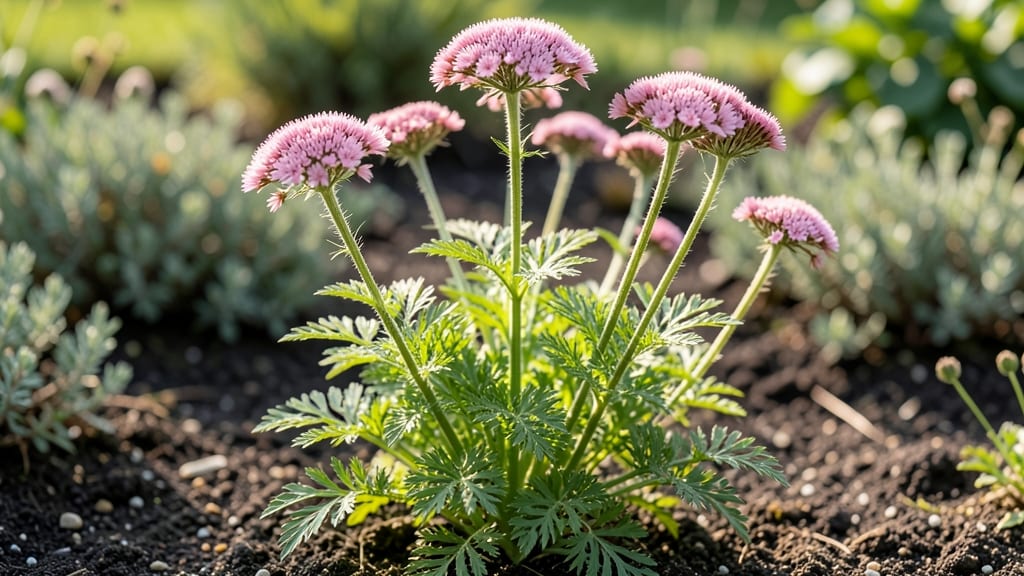
Yarrow blooms in late spring to early summer, turning your garden into a sea of papery flowers 🌼—but timing depends on your USDA zone and how much sun it gets.
If you’ve ever planted yarrow only to watch it sit there, stubborn and leafy, until suddenly—poof—a burst of color appears, you’re not alone. That delay isn’t laziness; it’s light waiting for the right cue.
In zone 6a, expect blooms from June to September, but push that window earlier or later depending on whether your yarrow gets 6+ hours of full sun or just a few hours of dappled light.
Here’s the secret: yarrow reads the daylight clock like a pro. Too little light? It holds onto its buds, waiting for more energy. Too much shade? The flowers fade fast.
Below, I’ll show you how to tweak planting, pruning, and even soil to coax longer, brighter blooms—no guesswork, just science-backed timing for your zone.
You’ll also discover 5 easy tricks to extend the season, from deadheading to companion planting, so your yarrow stays in peak form from first bloom to frost. Let’s get started.
Yarrow bloom time by USDA zone: when to expect peak flowers
Yarrow (Achillea millefolium) is a hardy perennial that thrives in USDA zones 3 through 10, but its bloom time varies dramatically depending on your location.
Most varieties burst into color from late spring to early fall, but cooler zones trigger earlier blooms, while warmer climates extend the season. Understanding these patterns helps you plan your garden layout for continuous color.
Daylight hours are the primary trigger for yarrow blooming. In northern zones (3-5), shorter summer days mean blooms appear earlier (June-July), while southern zones (8-10) enjoy prolonged flowering (May-September).
Even within the same zone, altitude differences can shift bloom windows by weeks. Let’s break down what to expect where you garden.
If you live in zone 3 or 4, plant early-blooming varieties like 'Cerise Queen' to catch the short summer window. These varieties respond quickly to increasing daylight, often blooming within 60-75 days of planting.
In contrast, zone 9-10 gardeners can extend displays by choosing late-season types like 'Summer Berries', which continue flowering until first frost.
For mountain gardens in zones 5-7, cooler temperatures can delay blooming by 2-3 weeks. To compensate, plant dwarf varieties like 'The Bee'—they mature faster and handle shorter growing seasons better.
In desert climates (zone 9-10), yarrow may bloom year-round if watered consistently, but deadheading spent blooms encourages continuous reblooming.
Pro tip: Plant multiple bloom-time varieties in the same bed to create a sequential color show. For example, pair 'Paprika' (early June) with 'Summer Berries' (August) for non-stop summer interest.
This technique works especially well in containers or mixed borders, where you can control spacing and sunlight exposure.
Adjust your planting timeline based on your zone. In cooler zones (3-5), sow seeds indoors in March and transplant after last frost (typically May). In warmer zones (8-10), direct-sow in late winter (February) to take advantage of longer daylight and avoid summer heat stress.
Yarrow’s flower longevity also varies by zone. In northern climates, blooms last 4-6 weeks due to cooler temperatures, while southern gardens enjoy 8-10 weeks of color.
To maximize bloom time, prune back by 1/3 after the first flush of flowers—this encourages secondary blooms in late summer, especially in zones 6-10.
One common mistake is assuming all yarrow blooms at the same time. In reality, light intensity plays a bigger role than temperature. A south-facing bed in zone 7 might trigger blooms 2 weeks earlier than a north-facing one.
Use this knowledge to strategically place yarrow for staggered displays across your landscape.
For container gardeners, choose compact varieties like 'Moonshine' and place pots in full sun to ensure timely blooming. Containers heat up faster than garden beds, which can advance bloom time by 1-2 weeks—perfect for early spring color in zones 5-8.
How light exposure affects yarrow bloom time and flower longevity
Yarrow (Achillea millefolium) thrives in full sun, but its bloom time and flower longevity depend heavily on light intensity and duration. Too little sunlight delays blooming, while partial shade can reduce flower production entirely.
Understanding these dynamics helps you create a vibrant yarrow display that lasts from early summer until frost.
In lowland climates (USDA zones 7-10), yarrow typically blooms from June to September, with peak displays in full sun. However, in high-altitude regions (zones 3-6), shorter daylight hours can push blooming later—sometimes as late as August. The key? Matching your yarrow’s light needs to your local climate.
Light Exposure Pros & Cons for Yarrow Bloom Time
| Factor | Pros | Cons |
|---|---|---|
| Full Sun (6+ hours) | ✅ Longer bloom season ✅ Brighter flower colors ✅ Stronger stems |
❌ Increased water needs ❌ Risk of leaf scorch in extreme heat |
| Partial Shade (3-6 hours) | ✅ Less watering required ✅ Slower leaf burn risk |
❌ Shorter bloom duration ❌ Fewer flowers produced ❌ Pale flower colors |
| High Altitude (Zones 3-6) | ✅ Later blooming aligns with cooler temps ✅ Extended fall color |
❌ Delayed first blooms ❌ Smaller flower clusters |
Light intensity also affects flower longevity. Yarrow grown in bright, direct sunlight produces blooms that last 3-4 weeks longer than those in dappled shade. The reason? Sunlight triggers higher photosynthesis rates, giving plants the energy to produce more flowers and sustain them longer.
In my Zone 6 garden, yarrow in full sun blooms until first frost, while shaded plants fade by early August.
If your yarrow blooms sparingly or late, check its light exposure first. Move plants to a sunnier spot gradually (over 1-2 weeks) to avoid leaf stress. For high-altitude gardens, consider early spring planting to give plants extra time to establish before shorter summer days arrive.
A simple trick: Plant yarrow near south-facing walls or reflective surfaces to maximize light exposure.
Troubleshooting delayed blooming often reveals light-related issues. For example, in lowland climates, yarrow planted under mature trees may bloom weeks later than expected. The solution? Thin tree branches or transplant yarrow to a sunniest border.
In urban gardens, tall buildings can cast unpredictable shade—monitor light levels with a light meter or observe shadows throughout the day.
Remember: Yarrow’s drought tolerance makes it perfect for low-maintenance gardens, but this trait depends on adequate sunlight. Without enough light, plants become leggy and weak, producing fewer blooms.
My pro tip: Pair yarrow with sun-loving companions like lavender or Russian sage to create a self-sustaining pollinator haven that thrives on minimal care.
For extended blooms, deadhead faded flowers regularly—this encourages continuous flowering by redirecting energy to new buds. In partial shade, deadheading becomes even more critical, as plants rely on this practice to compensate for reduced light energy.
With the right light conditions, your yarrow will reward you with months of color and attractive foliage that keeps your garden lively from summer through fall.