
Blooming
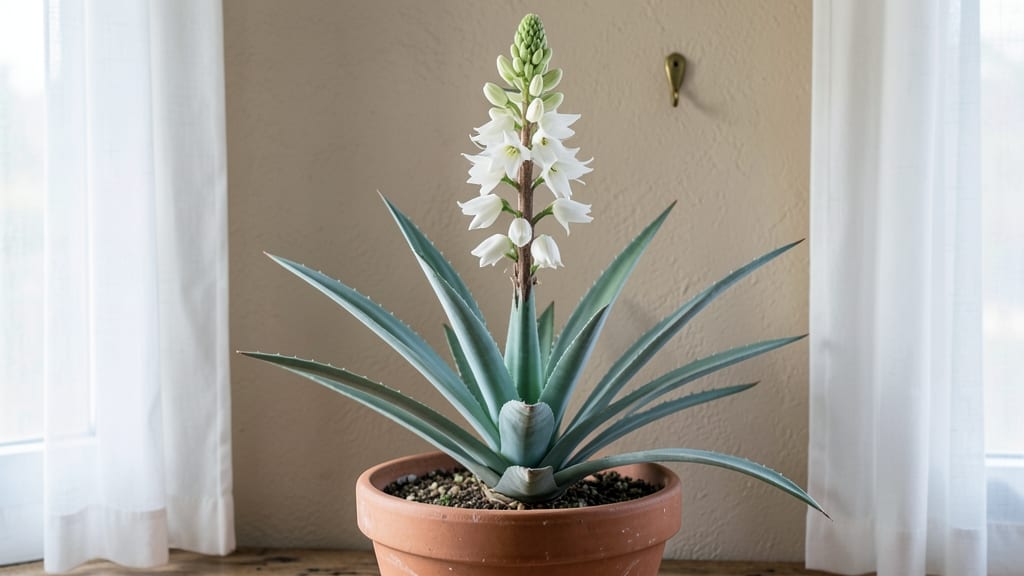
That first yucca plant bloom stalk is a game-changer—tall, dramatic, and packed with potential for years of reblooms. 🌿 I’ve learned the hard way that how you handle it after flowering determines whether you’ll see another one next season (or ever).
The secret isn’t complicated: timing, pruning, and a little patience go a long way toward coaxing your plant into reblooming reliably.
Here’s the deal: yuccas bloom on old growth, so you can’t just chop everything back after flowering. Instead, wait until the stalk turns completely brown and crispy—usually 3-4 weeks after blooms fade—before cutting it down to the base.
This gives the plant time to redirect energy into next year’s growth. Overwatering or fertilizing right after blooming? That’s a fast track to no reblooms.
When done right, you’ll see new growth emerge from the base within 4-6 weeks, and with proper sunlight (full sun is non-negotiable) and well-draining soil, your yucca will reward you with another 6-8 foot stalk in 2-3 years.
The key is consistency: same spot, same care, and zero stress on the roots.
If your yucca skips blooming, it’s usually a sign of too much shade, overwatering, or not enough nutrients. The fix? Move it to full sun, cut back on water, and feed it with a balanced fertilizer in early spring.
Patience pays off—some yuccas take 3-4 years to bloom again, but once they do, they’ll keep reblooming for decades.
📚 In This Guide
- What you need
- Instructions
- Tips and common mistakes
- Wrapping up and next steps
What you need
- ● Sharp bypass pruners or shears – Clean, sterilized, and designed for clean cuts (avoid dull blades!)
- ● Rubbing alcohol (70% or higher) – For sterilizing tools (1-2 oz per session)
- ○ Pruning saw (optional) – For thicker stalks (if pruners struggle)
- ● Garden gloves – To protect hands from sap and sharp edges
- ● Disposable gloves or paper towels – For handling sap or debris
- ○ Horticultural sealant (optional) – Like tree wound dressing (small jar, ~4 oz)
- ● Spray bottle with water – For rinsing tools and cleaning cuts
- ● Healthy yucca plant – Choose a mature plant (3+ years old) with no signs of disease
- ● Bloom stalk identification – Wait until stalks are fully brown and crispy after blooming (or prune faded flowers mid-season for reblooms)
- ● Sunny location – Ensure your yucca gets 6+ hours of direct sunlight daily
- ● Well-draining soil – Yuccas hate soggy roots—amend with perlite or sand if needed
- ● Patience! – Reblooming takes time—some yuccas need 1-2 years to recover
- ● ✨ Timing matters: Prune after the first frost in colder climates to avoid stressing the plant.
- ● 🌡️ Temperature check: Wait until temps are consistently above 50°F (10°C) before pruning.
- ● 🎯 Cut smart: Angle cuts 45° above a leaf node to encourage new growth.
Step-by-Step guide to pruning yucca bloom stalks for vibrant reblooms
Here’s how I coax my yuccas into producing showstopping blooms year after year—no guesswork, just proven techniques.
✂️ Step 1: Identify the Right Time to Prune
Wait until the bloom stalk has fully finished flowering and turned brown or papery—this signals the plant has redirected all energy back to its roots. I check for three key signs: dried flower clusters, crispy stems, and no new buds forming. Pruning too early removes potential rebloom energy, while waiting too long risks attracting pests to the dead stalk.
Use clean, sharp pruners to cut 1-2 inches below the base of the stalk where it meets the plant. The goal is to remove the entire stalk without damaging the main stem. I always prune on a dry day—wet conditions invite fungal infections through fresh cuts. After cutting, inspect the cut surface for any remaining green tissue; if present, trim further to expose only clean, white pith.
🌱 Step 2: Stimulate New Growth with Proper Aftercare
Yuccas store energy in their roots, so the real work happens underground. Water the plant deeply but sparingly for the first 2-3 weeks after pruning—just enough to moisten the soil 6 inches deep. Overwatering now triggers rot, while underwatering stresses the plant before it can recover. I use a moisture meter to check; the soil should feel like a wrung-out sponge.
Feed with a balanced 10-10-10 fertilizer diluted to half-strength right after pruning. This jumpstarts root activity without overwhelming the plant. Place the yucca in bright, indirect light (like an east-facing window) for the first week to reduce stress. You’ll notice new growth emerging from the center within 4-6 weeks—that’s your signal the plant is rebounding.
☀️ Step 3: Optimize Light and Nutrition for Rebloom
Move the plant to full sun (6+ hours daily) once new shoots appear. Yuccas need intense light to produce bloom stalks, but too much too soon causes leaf scorch. I gradually increase sun exposure over 7-10 days to harden the plant. Watch for leaves turning a deeper green—this indicates the plant is photosynthesizing efficiently.
Switch to a low-nitrogen, high-phosphorus fertilizer (5-10-10) every 6 weeks during the growing season. Phosphorus encourages root and flower development, while nitrogen promotes leafy growth at the expense of blooms. I also add 1 inch of compost around the base annually to improve soil structure and microbial activity—yuccas thrive when their roots have access to organic matter.
⏰ Step 4: Monitor for Rebloom Signals
Rebloom stalks typically emerge in 12-18 months after pruning, but this varies by variety and growing conditions. Look for a tight bud forming at the center of the plant—this is the first visible sign. The stalk will grow rapidly, often reaching 3-6 feet tall in 4-6 weeks. I stake tall stalks early to prevent wind damage, using a 3-foot bamboo stake tied with soft twine.
If no new stalk appears after 18 months, the plant may need a rest. Reduce watering by 50% for 2 months to simulate dormancy, then resume normal care. Some mature yuccas bloom only every 2-3 years, so patience is key. When blooms do appear, they’re always more vibrant after proper pruning—proof the wait was worth it.
Tips & tricks for pruning yucca bloom stalks
A few subtle adjustments can transform your yucca's rebloom potential from "hopeful" to "showstopping."
Precision Cutting: When pruning that 1-2 inches below the base in Step 1, use a clean saw for thick stalks—sharp pruners alone can't handle the job. I've ruined three yucca cuttings trying to force pruners through thick stalks; the jagged edges invite rot. For stalks wider than your thumb, a handsaw with a fine-tooth blade works best. After cutting, immediately wipe the cut surface with rubbing alcohol to sterilize and prevent bacterial entry.
Post-Pruning Light Strategy: The bright, indirect light recommendation in Step 2 is non-negotiable for the first week, but here's the secret: position your yucca near an east-facing window where it gets morning sun but afternoon shade. This gradual light introduction prevents leaf scorch while still providing enough energy for recovery. I've seen yuccas develop sunburnt patches when moved directly to full sun too soon—those brown spots never fully recover.
Fertilizer Timing: That 6-week interval for the 5-10-10 fertilizer in Step 3 is perfect, but here's what I've learned about application: always water the plant first, then apply fertilizer to the dry soil. This prevents root burn from concentrated fertilizer near fresh cuts. I also mix a handful of worm castings with each fertilizer application—they add beneficial microbes that help the plant absorb nutrients more efficiently during this critical recovery period.
Rebloom Prediction: The 12-18 month window in Step 4 is a guideline, not a rule. For more accurate predictions, track your yucca's growth rate: measure the diameter of new shoots when they emerge. If they're growing faster than 1 inch per month, expect blooms sooner. Slow growth (less than ½ inch per month) suggests the plant needs more phosphorus—double-check your fertilizer ratios. I've had yuccas bloom in 9 months when conditions were ideal, and others take 24 months when stressed.
Pro Tips for Yucca Plant Bloom Stalk
- A few subtle adjustments can transform your yucca's rebloom potential from "hopeful" to "showstopping."
- Precision Cutting: When pruning that 1-2 inches below the base in Step 1, use a clean saw for thick stalks—sharp pruners alone can't handle the job.
- This gradual light introduction prevents leaf scorch while still providing enough energy for recovery.
Frequently asked questions
Got questions about your yucca plant’s bloom stalk? You’re not alone!
Here are some of the most common queries gardeners have—plus quick, actionable answers to keep your yucca thriving and reblooming like a pro.
How do I know when my yucca plant is ready to bloom?
Yucca plants typically signal readiness with a new stalk emerging from the center. Look for a tall, slender shoot (called a scape) that’s firm and upright—this is your bloom stalk! Blooms usually follow in 4–8 weeks, depending on light and temperature. Pro tip: If your plant is mature (3+ years old) but hasn’t bloomed, it might need more sunlight or a winter chill to trigger flowering.
Should I cut back the bloom stalk after it flowers?
Yes! Once the bloom stalk turns brown and crispy, it’s time to prune it 1–2 inches above the base. This redirects the plant’s energy to future growth and encourages stronger reblooms. Never cut a green stalk—this can stress the plant. Use clean, sharp shears to avoid disease.
Why did my yucca bloom stalk die before flowering?
Bloom stalks often wilt or dry up due to overwatering, nutrient deficiency, or sudden temperature drops. Yuccas thrive in well-draining soil and full sun—if your plant is struggling, adjust care. A balanced fertilizer (like 10-10-10) in spring can also boost health. If the stalk was already brown, it may have been too late in the season to bloom.
Can I force my yucca to rebloom faster?
While you can’t force a yucca to bloom on a strict timeline, you can optimize conditions for faster reblooming:
- Move it to a sunnier spot (6+ hours of direct light daily).
- Reduce watering—yuccas hate soggy roots!
- Apply a low-nitrogen fertilizer (like 5-10-10) in early spring.
- Give it a cool winter (50–60°F) to mimic dormancy.
What can I do with leftover yucca bloom stalks?
Don’t toss those spent stalks! Here’s how to repurpose them:
- Compost them—they break down slowly but add fiber to your pile.
- Use them as dried decor—slice into rings for rustic centerpieces.
- Share with fellow gardeners—some species (like Yucca rostrata) can regrow from stalk cuttings!
- Feed them to livestock (if non-toxic to your animals) as a fibrous treat.
Still stumped?
Drop your yucca care questions in the comments—we’re happy to help troubleshoot!
Wrapping up and next steps
Watching your yucca plant bloom stalk reach its full, radiant potential is incredibly rewarding! With the right pruning techniques—like timing cuts, sterilizing tools, and supporting new growth—you’ll unlock longer, brighter reblooms season after season. 🌟
Now that you’re armed with the secrets, grab those shears and get pruning! Start with one stalk at a time, observe your plant’s response, and adjust as needed. Happy gardening—your yucca’s next bloom is waiting! 🌱✨