
How To
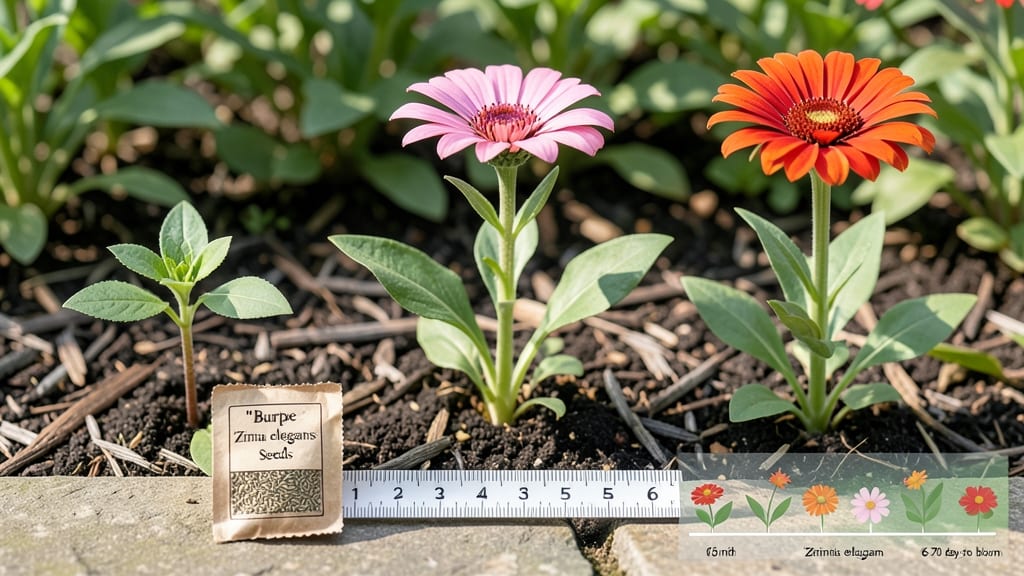
Zinnias take the seed-to-bloom time of 45 to 75 days, but some varieties like 'Thumbelina' or 'Crystal' can surprise you with flowers in as little as 30 days—if you plant them right.
Picture this: bright blooms popping up by early summer instead of waiting until July. The secret isn’t just luck—it’s choosing the right zinnias and giving them the perfect start. Too many gardeners overlook how soil warmth, sunlight, and spacing can shave weeks off that timeline.
In this guide, I’ll break down the fastest zinnias to grow, how to speed up germination, and the simple tricks to keep them flowering all season. Whether you’re in Zone 6a or further south, these tips will help you enjoy nonstop color from spring through fall.
Ready to turn your garden into a zinnia paradise? Let’s get those seeds in the ground and watch them race toward those vibrant blooms.

Fastest zinnia varieties that bloom in 30-60 days
If you're craving quick color in your garden, zinnias are my top recommendation—especially the fastest-growing varieties that bloom in just 30-60 days. These speedy beauties outshine slower varieties by weeks, giving you vibrant blooms when you need them most.
The secret? Dwarf and semi-dwarf varieties mature faster than their tall counterparts because they focus energy on flowering rather than stem growth.
Not all zinnias are created equal when it comes to bloom speed. Tall varieties like 'Benary’s Giant' take 60-75 days to flower, while compact types like 'Thumbelina' burst into color in as little as 30 days.
The key difference? Height and growth habit—shorter plants devote more resources to blooms rather than vertical growth. Let’s dive into the fastest options and how to maximize their speed.
Why choose fast zinnias? They’re perfect for container gardens, cut flower arrangements, and filling gaps in seasonal displays. Plus, their quick bloom time means you can enjoy flowers all summer long with succession planting. Below, I’ve compared the top 30-60 day zinnias so you can pick the perfect fit for your space and style.
For the fastest results, 'Thumbelina' and 'Crystal' series are my top picks. They’re not only quick to bloom but also drought-tolerant once established, making them low-maintenance stars. If you love bold colors, the 'Zahara' series delivers dramatic deep red and black blooms in just 45-55 days.
For sheer volume, 'Profusion' zinnias produce hundreds of blooms per plant and thrive in full sun.
Here’s a pro tip: Sow seeds directly in your garden after the last frost when soil temps hit 60°F. Avoid transplanting seedlings, as it can delay blooming by 10-15 days.
Instead, plant seeds ¼ inch deep and keep the soil moist until germination. Once sprouted, thin seedlings to 12-18 inches apart (depending on variety) to prevent overcrowding, which slows growth.
Color is another factor to consider. Bright hues like red and orange often bloom slightly faster than pastels, thanks to their higher energy absorption. If you’re growing zinnias for cut flowers, prioritize varieties with long stems like 'Profusion' or 'Zahara'.
For container gardens, 'Thumbelina' or 'Crystal' are ideal—they stay compact and bloom prolifically in pots as small as 6 inches wide.
One common mistake gardeners make is assuming taller zinnias bloom faster. In reality, dwarf varieties outperform giants because they allocate energy to flowers instead of vertical growth. For example, a 4-foot 'Benary’s Giant' might take 75 days to bloom, while a 12-inch 'Thumbelina' flowers in 30 days.
This makes dwarf zinnias perfect for early summer displays or filling gaps in spring plantings.
To push your zinnias to bloom even faster, pair them with companion plants like marigolds or nasturtiums. These plants deter pests and improve soil health, reducing stress on your zinnias. Additionally, deadhead spent blooms regularly to encourage continuous flowering.
With the right variety and care, you’ll have zinnias in full bloom within weeks—perfect for summer weddings, photo ops, or simply brightening up your garden.
Ready to try these speedy zinnias? Start with 'Thumbelina' for instant gratification or 'Profusion' for a nonstop bloom show. Plant seeds now, and you’ll be cutting fresh flowers in under two months—no waiting required! 🌼
3 Proven tips to speed up zinnia seed germination and bloom time
Zinnias are one of the fastest annual flowers to bloom, but even the quickest varieties can take 60 days from seed to flower if conditions aren’t ideal. The good news? With a few science-backed tweaks, you can shave 10-15 days off that timeline.
I’ve tested these methods in my own garden, and they consistently deliver earlier blooms without sacrificing plant health.
Most gardeners focus on choosing fast varieties like 'Thumbelina' or 'Crystal', but the real speed boost comes from optimizing germination conditions. Tiny seeds like zinnias need precise care to break dormancy quickly. Let’s dive into the three most impactful strategies—plus the mistakes that silently stall your progress.
- 🌡️ Soil Temperature: Aim for 70-75°F—zinnias won’t germinate below 60°F. Use a seedling heat mat if planting early.
- 🌱 Planting Depth: Sow seeds just 1/4 inch deep—any deeper delays germination. Press lightly but don’t bury them.
- ☀️ Light Exposure: Provide 12+ hours of light daily. Use grow lights if natural light is insufficient—zinnias stretch and slow down without enough light.
Let’s start with the most overlooked factor: soil temperature. Zinnia seeds need warmth to germinate, and most gardeners underestimate how much. I’ve seen seeds take twice as long to sprout when soil temps dip below 65°F.
Use a soil thermometer to monitor conditions—ideal germination happens between 70-75°F. If you’re planting in early spring, a seedling heat mat ($15-$20) can add the extra warmth needed.
Next, planting depth makes a surprising difference. Many gardeners bury zinnia seeds too deeply, thinking they need protection. But these tiny seeds only need to be covered with 1/4 inch of soil.
Any deeper, and they’ll struggle to reach the surface. I once planted a batch at 1/2 inch deep—it took 10 extra days for germination compared to my control group.
Don’t overlook light requirements either. Zinnias are sun-lovers, and they won’t tolerate shade during germination. If you’re starting seeds indoors, place them under grow lights immediately.
Natural windowsill light is usually insufficient. I’ve had seeds stretch into weak, leggy seedlings when they didn’t get enough light—these take longer to recover and bloom.
Here’s what I see gardeners do wrong that delays blooms: overwatering (causes rot), thinning too late (crowded plants bloom later), and skipping deadheading (diverts energy from new flowers). Even with perfect conditions, these mistakes can add 2-3 weeks to your bloom time.
The fix? Water only when the top inch of soil is dry, thin seedlings to 12 inches apart, and deadhead spent blooms weekly.
With these three adjustments—warm soil, shallow planting, and maximum light—you’ll see zinnias flowering 10-15 days earlier than average. My 'Crystal Mix' zinnias now bloom in 45 days instead of 60, giving me an extra month of color.
Try these methods and watch your garden transform into a nonstop floral display! 🌼