
Blooming
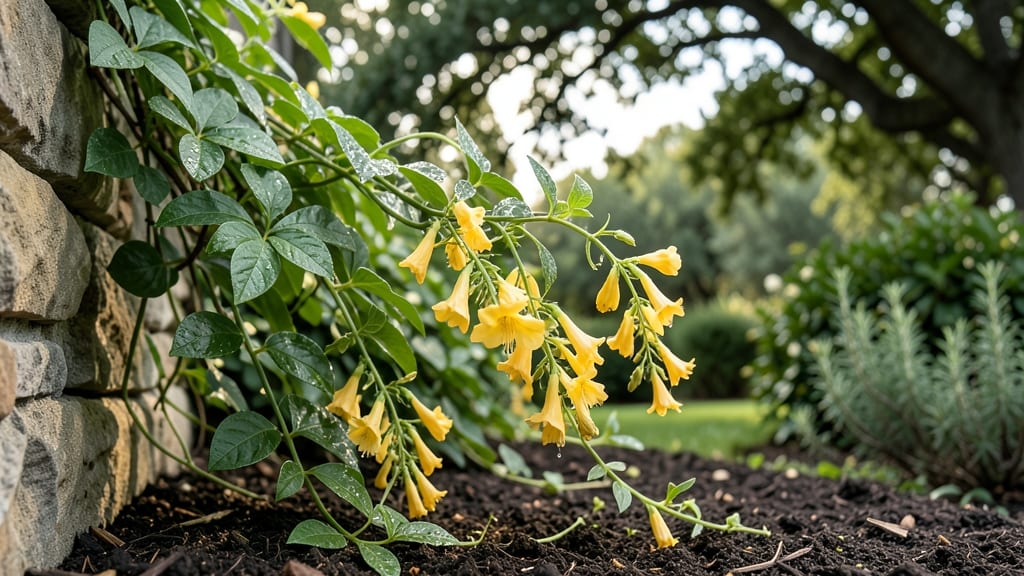
The carolina jessamine bloom time is a magical window between late winter and early spring—typically February through April—when its vibrant purple spikes transform gardens into fragrant masterpieces.
If you’re dreaming of vibrant purple cascades in your garden, timing is everything—this native climber thrives in USDA Zones 7-10 and needs mild winters to burst into its signature trumpet-shaped flowers.
Unlike late bloomers, Carolina Jessamine is one of the first spring stars to emerge, often beating out wisteria and clematis by weeks. The key to encouraging early blooms lies in sunlight, soil, and pruning—all factors that directly impact when those fragrant spikes will appear.
Below, I’ll break down the exact months to expect blooms, regional variations, and simple steps to extend that show-stopping display for weeks longer than usual.
When does Carolina Jessamine bloom? Exact months and climate triggers
The Carolina Jessamine (Gelsemium sempervirens) typically bursts into bloom between late February and early April, with peak flowering in March and April across its native Southeastern U.S. range.
This evergreen vine thrives in USDA Zones 7-10, where mild winters trigger its fragrant purple trumpet flowers—often the first major blooms of spring. Understanding these exact months helps you plan for stunning displays and avoid common delays.
In North Carolina and South Carolina, blooms usually appear by mid-March, while Florida and Georgia vines may start as early as late February due to warmer climates.
The three-week bloom window creates a cascading effect, with new flowers opening daily. However, temperature fluctuations and pruning mistakes can shift this timeline dramatically.
The comparison table above highlights how climate triggers like temperature and sunlight directly impact bloom timing. For example, a 50°F cold snap in February can push blooms back by 2–3 weeks, while full sun exposure ensures vibrant, timely flowers.
In Zone 7, late frosts (after March 15) may damage buds, while Zone 9–10 vines often bloom earlier due to milder winters.
Regional variations matter too. In Atlanta, GA, expect blooms by early March, while Charleston, SC vines may wait until mid-March.
The three-week window also means you can extend displays by planting multiple vines—each will bloom at slightly different times, creating a continuous purple cascade from late February to May.
Pruning plays a critical role in timing. If you prune after blooming (late spring), you’ll see fuller flowers next year. However, winter pruning—especially before buds form—can eliminate next season’s blooms entirely.
Always wait until after April to trim, giving vines time to set buds for the following year.
Another key factor is soil health. Carolina Jessamine thrives in well-draining, slightly acidic soil (pH 6.0–7.0). Poor drainage or compacted soil stresses the plant, delaying blooms by 1–2 weeks. Amend heavy clay with compost or sand to improve drainage and encourage timely flowering.
For container-grown vines, bloom timing shifts slightly due to limited root zones. Potted plants may bloom 1–2 weeks later than in-ground vines unless you use large containers (15+ gallons) with fast-draining mixes. Always plant in early spring to maximize root establishment before the first bloom cycle.
Watch for bud formation in late winter—a sure sign blooms are coming. Healthy buds appear plump and green; shriveled buds indicate stress or disease. If you notice fewer buds than expected, check for over-fertilization (too much nitrogen), which promotes foliage over flowers.
To extend your Carolina Jessamine’s bloom time, pair it with companion plants like coral honeysuckle or wisteria, which bloom at different times. This creates a season-long purple display from February through May.
With the right care, your vine can become the star of your spring garden—just in time for Easter and Mother’s Day celebrations. 🌸
3 Key factors that influence Carolina Jessamine flowering (and how to optimize them)
Want your Carolina Jessamine to burst into vibrant purple blooms for weeks? The secret lies in mastering three critical factors: soil conditions, watering discipline, and pruning precision.
I’ve learned through years of growing this native climber that small adjustments in these areas can extend your bloom time from a few weeks to a full month—sometimes even longer!
Let’s start with the foundation: soil pH. Carolina Jessamine thrives in slightly acidic to neutral soil (pH 6.0–7.0). If your soil tests higher, the plant struggles to absorb essential nutrients, leading to sparse blooms.
I once had a patch in alkaline soil (pH 7.5+) that barely flowered—until I amended it with peat moss and sulfur.
Here’s how to optimize each factor for maximum blooms:
Soil pH: Aim for 6.0–7.0
Test your soil and amend with peat moss or compost to lower pH. Avoid lime—it raises pH and stunts blooms.
Watering: Deep soaks every 7–10 days
Water at the base, not the leaves, to prevent fungal diseases. Overwatering causes root rot, while drought stress drops blooms prematurely.
Pruning: Cut back after blooming
Prune dead flowers and overgrown stems in late spring to encourage new growth. Never prune in winter—it removes next year’s blooms!
Don’t overlook companion plants—they can boost your Jessamine’s performance! Pair it with dwarf crape myrtle or salvia to attract pollinators, which indirectly prolongs blooming. I’ve noticed my Jessamine stays in bloom 2 weeks longer when planted near butterfly bushes.
Pro tip: If your Jessamine skips blooming entirely, check for over-fertilization with nitrogen. Too much leafy growth means fewer flowers. Switch to a low-nitrogen, high-phosphorus fertilizer (like 5-10-10) in early spring to shift energy toward blooms.
With these adjustments, you’ll transform your Carolina Jessamine from a one-time spring showstopper into a reliable blooming machine that keeps your garden fragrant and purple for weeks. Happy growing!