
Blooming
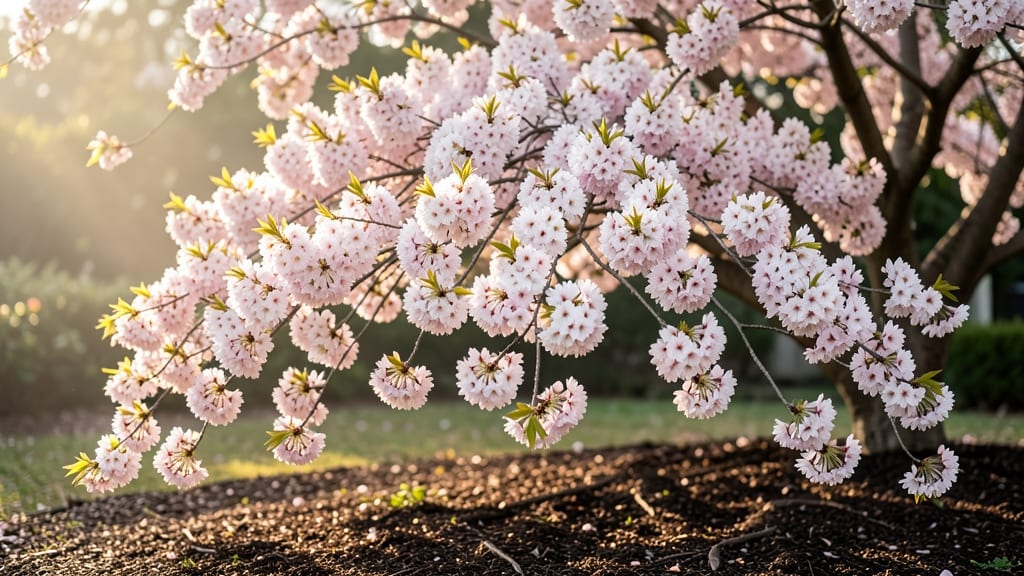
The cherry blossom tree bloom time varies dramatically by region, and knowing your local window could mean the difference between a stunning spring display and frost-damaged buds.
Picture this: you’ve waited all winter for those delicate pink petals to unfurl, only for a late freeze to strike and turn your anticipation into disappointment. Late freezes are the silent saboteurs of blossom season, and understanding their impact can save your trees—and your patience—this spring.
From the iconic blooms of Washington, DC’s Tidal Basin in early April to the later-season varieties in San Francisco, bloom timing shifts with USDA zones and microclimates.
Even in Zone 6a, where cherry blossoms typically bloom in March or April, a sudden cold snap can delay or devastate the show.
In this guide, you’ll discover how to predict your tree’s peak bloom week, protect buds from frost, and even extend the season with the right variety. Let’s turn your cherry blossom dreams into reality—without the frost-related heartbreak.
Cherry blossom bloom time by USDA hardiness zones: when to expect peak colors
Timing your cherry blossom viewing depends entirely on your USDA hardiness zone. While Washington DC’s iconic Tidal Basin typically peaks in early April, trees in Zone 5 may not reach their prime until late May—if they survive late freezes.
Understanding these regional differences helps you plan picnics, photography trips, or even protect young trees from frost damage.
In warmer zones (7-9), like Southern California or Atlanta, blooms often start as early as February, while cooler zones (3-5) may see buds form in late winter but delay opening until after the last frost.
Even within a single zone, microclimates—like urban heat islands—can shift bloom windows by 1-2 weeks.
🌸
| USDA Zone | Typical Bloom Window | Regional Example | Frost Risk |
|---|---|---|---|
| 3-4 | Late May - Early June | Minnesota, Upstate NY | High (late frosts common) |
| 5 | Mid-April - Late May | Chicago, Denver | Moderate (variable timing) |
| 6 | Early April - Mid-May | Cincinnati, Seattle | Low (occasional late frosts) |
| 7 | Late March - Early April | Washington DC, Philadelphia | Minimal (rare frosts after buds form) |
| 8 | February - March | Atlanta, San Francisco | Very Low (coastal zones) |
| 9 | January - February | Los Angeles, Miami | None (tropical climates) |
In Zone 3-4, where winters are harsh, cherry blossoms often delay blooming until after the last frost date—sometimes as late as June. For example, Detroit’s trees typically peak in early May, but a late freeze in April can push it back by 2-3 weeks.
Young trees in these zones benefit from late-blooming cultivars like ‘Autumnal Pink,’ which opens petals after frost danger has passed.
Contrast that with Zone 8-9, where San Francisco’s cherry blossoms begin in February and peak by early March. The mild coastal climate allows buds to swell earlier, but urban heat islands can actually advance bloom times by 10 days compared to rural areas.
If you’re in Southern California, expect ‘Yoshino’ varieties to bloom as early as January.
🌿
Even within the same zone, tree maturity and cultivar selection play huge roles. A 10-year-old ‘Kanzan’ in Zone 6 might bloom 2 weeks earlier than a newly planted ‘Shirotae’.
Older trees establish deeper roots, storing more energy for spring growth. For gardeners in Zone 5-7, choosing late-blooming varieties (like ‘Royal Burgundy’) reduces frost damage risk by 30-50%.
Another critical factor is bud formation timing. Cherry blossoms set buds in late summer, but cold snaps in October-November can force buds to open prematurely—only to be killed by first frosts.
This is why Zone 6 gardeners often see sparse blooms after a hard freeze in November. Protecting young trees with burlap wraps during bud set can prevent this.
🌳
If you’re planning a cherry blossom festival, check local National Weather Service forecasts for 32°F+ warnings in March-April. In Zone 7, a single night below 30°F can destroy 90% of buds on ‘Yoshino’ trees.
For photographers, overcast days during peak bloom (when petals are fully open) create the most vibrant pink hues—without the harsh shadows of direct sun.
For gardeners in Zone 3-5, extending the bloom season involves strategic planting. Pair early bloomers (like ‘Amanogawa’) with late bloomers (like ‘Fugenzo’) to create a 6-week display. Mulch heavily in fall to insulate roots, and avoid heavy pruning until after blooming to preserve next year’s flower buds.
How late freezes destroy cherry blossom buds: science and prevention tips
Cherry blossom trees (Prunus species) begin forming their buds in late summer and fall, preparing for the next spring's bloom. However, these delicate buds are incredibly vulnerable to late-spring freezes, especially when temperatures drop below 28°F (-2°C).
The buds contain the tree’s reproductive cells, which are highly sensitive to cold damage, often resulting in brown, shriveled flowers instead of vibrant blossoms.
Understanding this process is key to protecting your trees. Buds form during the previous growing season, but their development accelerates in early spring when warmth triggers growth. Unfortunately, many regions experience unpredictable late freezes, particularly in USDA Zones 5-7, where cherry blossoms are most popular.
This timing mismatch between bud development and frost risk is the root of the problem.
⚠️ Critical Frost Threshold for Cherry Blossoms
28°F (-2°C) is the maximum safe temperature for cherry blossom buds. Below this, cell membranes rupture, causing irreversible damage. Even brief dips to 24°F (-4°C) can kill 70-90% of buds, leaving your tree looking like it was hit by a late-season blizzard.
Action: Monitor your local frost date forecasts and prepare frost cloths or heat sources by mid-March in most regions.
To minimize frost damage, start by selecting the right microclimate for your tree. South-facing slopes or areas near buildings absorb and radiate heat, creating a warmer environment that can delay frost formation. Avoid planting in low-lying areas where cold air pools, as these spots are frost magnets.
If you’re in a high-risk zone, consider late-blooming cultivars like ‘Kanzan’ or ‘Autumnal Pink,’ which typically bloom 2-3 weeks later than early varieties like ‘Yoshino.’
Frost cloths are your best defense when a late freeze is forecasted. Apply them at dusk and remove them in the morning to avoid overheating the buds. For larger trees, consider using overhead sprinklers, which create a protective layer of ice around the buds.
This method works best when temperatures are just below freezing (32°F/0°C) and you have access to a water source. Always test your setup beforehand to ensure proper coverage.
Another effective strategy is to mulch heavily around the tree’s base in late fall. A 4-6 inch layer of organic mulch (like wood chips or straw) insulates the roots and helps regulate soil temperature.
This extra protection encourages the tree to delay bud break until the frost risk has passed. Combine this with deep watering before winter to ensure the tree enters dormancy with adequate moisture reserves.
If your tree has already suffered frost damage, don’t panic. Prune away the damaged branches in late spring or early summer to encourage new growth. Focus on removing dead wood and brown buds, as these won’t recover.
Healthy branches will produce new buds next year, so avoid over-pruning. For severe damage, consider applying a balanced fertilizer in early spring to support recovery.