
Blooming
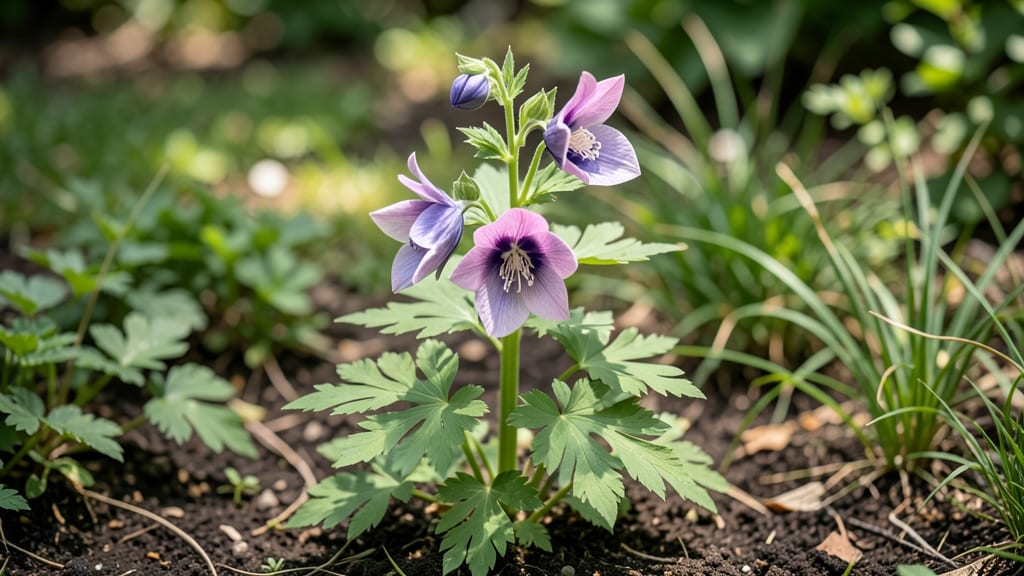
Columbines bloom all summer only in ideal conditions: most varieties flower spring to early summer, with some reblooming if deadheaded or grown in cool climates. Extended blooming depends on proper watering, sunlight, and soil health.
Columbines typically put on their best show in spring, but with the right care, you can coax them into reblooming through summer. 🌸 The key lies in mimicking their natural habitat—cool mountain regions where they thrive.
Regular deadheading (removing spent blooms) signals the plant to produce more flowers, while consistent moisture and partial shade help prevent stress. I've seen columbines in my garden extend their blooming season by nearly two months when given these conditions, especially in regions with mild summers.
For best results, focus on well-draining soil rich in organic matter and avoid over-fertilizing with nitrogen, which promotes foliage over flowers. The Akili and Queen Series varieties are particularly known for their extended blooming habits when grown in cooler microclimates.
Even in hotter zones, providing afternoon shade can make a significant difference in how long your columbines keep flowering.
💡 In This Article
- Columbine Flowering Seasons and Climate Factors
- Tips to Encourage Columbine Reblooming in Your Garden
Columbine flowering seasons and climate factors
Columbines are native to cool mountain regions, where they've evolved to respond to specific light and temperature cues. Their natural blooming cycle is tightly linked to photoperiodism—the plant's internal clock that measures daylight length.
In spring, when days lengthen gradually, columbines receive the perfect balance of light and warmth to trigger flowering. Most varieties need 12-14 hours of daylight to initiate bloom formation, which is why they peak in spring when these conditions align naturally.
The temperature sweet spot for columbine blooming sits between 60-75°F during the day and 45-55°F at night. When summer heat exceeds 85°F, many varieties go dormant to conserve energy, especially in hot climates. This is why mountain-grown columbines often rebloom in late summer—the cooler high-altitude nights prevent heat stress.
The Queen Series varieties, bred for extended blooming, can handle slightly warmer conditions (80°F max) but still require afternoon shade to prevent wilting.
Daylight length becomes critical in late summer. As days shorten in August, most columbines prepare for dormancy unless you intervene. The plant's hormonal response to decreasing light triggers flower bud formation for next spring, rather than current blooms.
This is why deadheading becomes essential—removing spent blooms prevents the plant from "reading" the shortening days as a signal to stop flowering. In cooler climates (USDA zones 3-6), this hormonal shift happens later, allowing columbines to bloom into early fall.
Soil temperature plays a hidden but crucial role. Columbines prefer soil that stays between 55-65°F. When soil heats above 70°F, root activity slows, reducing water and nutrient uptake. This stress response often manifests as yellowing leaves and stalled blooming.
Mulching with 2-3 inches of organic matter helps maintain even soil temperatures. I've noticed that containers of columbines stay blooming 3-4 weeks longer than in-ground plants because the soil temperature remains more stable.
Humidity levels also affect blooming duration. Columbines thrive in 40-60% humidity—too dry air causes buds to dry out before opening, while high humidity promotes fungal diseases that weaken plants. In arid climates, morning watering (before 9 AM) helps maintain adequate moisture without encouraging fungal growth.
The Akili variety, with its darker foliage, handles slightly drier conditions better than lighter-leaved types, making it ideal for hotter summer gardens.
What most gardeners don't realize is that columbines actually perform better with partial shade during peak summer heat. While they need 4-6 hours of morning sun for strong blooms, afternoon sun can scorch their delicate petals.
I've seen columbines under 30% shade cloth maintain blooms for up to 6 weeks longer than those in full sun during July-August. This is particularly true for the Firebird series, whose vibrant red blooms fade quickly in intense sunlight.