
Blooming
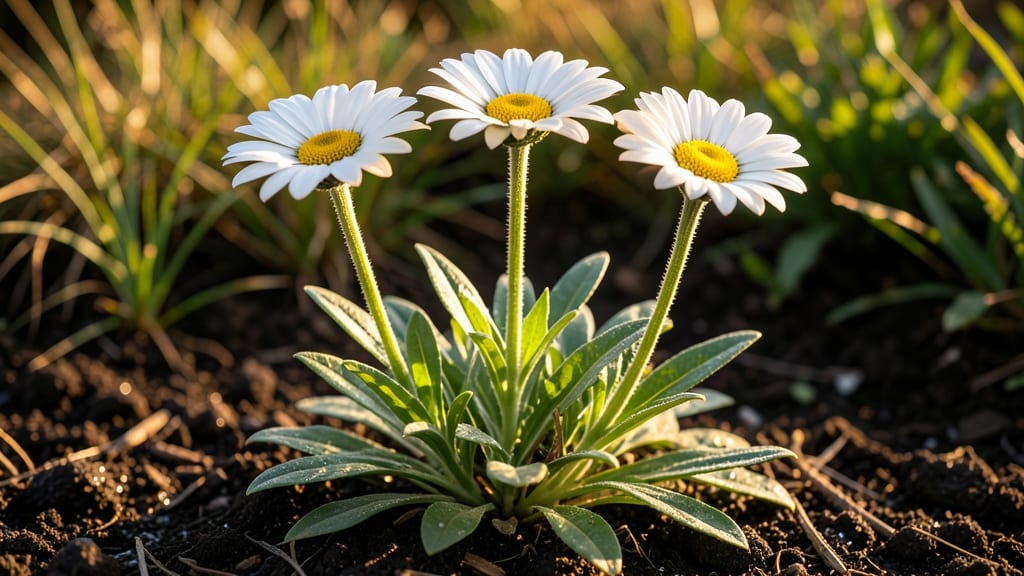
Shasta daisies don't bloom all summer—they typically flower for just 6-8 weeks in early to mid-summer before going dormant until spring. Extreme heat, drought, or overcrowding can shorten this bloom period even further.
Shasta daisies are cool-season perennials, meaning they rely on spring's cooler temperatures to trigger their flowering cycle. 🌸 Once summer's heat intensifies, their energy shifts toward root and foliage growth rather than blooms.
In regions with mild summers, you might see a brief secondary flush of flowers in late summer, but this is rare and unpredictable. The key to maximizing their bloom time is consistent moisture and proper spacing—crowded plants compete for resources, which cuts their flowering window short.
What many gardeners don't realize is that these daisies actually require a period of dormancy to reset their growth cycle. Skipping this rest phase can weaken the plant over time, reducing both bloom quantity and plant longevity.
If you're in a hot climate, consider planting varieties bred for heat tolerance, like 'Becky' or 'Alaska,' which handle summer conditions slightly better than classic types.
💡 In This Article
- Shasta Daisy Bloom Cycle and Heat Sensitivity
- Extending Shasta Daisy Blooms with Late-Season Care
Shasta daisy bloom cycle and heat sensitivity
Shasta daisies follow a precise biological clock tied to temperature and daylight. Their flowering is triggered by a process called vernalization—cool spring temperatures (around 50-60°F) signal the plant to shift from vegetative growth to bloom production.
Once temperatures rise above 80°F for extended periods, the plant's metabolism prioritizes survival over flowering, redirecting energy to root and leaf development. This is why you'll see peak blooms in May-June, with most varieties producing flowers for just 6-8 weeks before entering dormancy.
The photoperiod (daylight length) also plays a critical role. Shasta daisies are short-day plants, meaning they respond to decreasing daylight hours in late summer. When days shorten below 14 hours of light, the plant perceives this as a signal to prepare for dormancy.
In hot climates, this natural cycle can be accelerated—temperatures above 90°F combined with drought stress can force the plant into dormancy 2-3 weeks earlier than expected. The result? Fewer blooms and a shorter display period. 🌡️
What happens at the cellular level is fascinating: high temperatures cause the plant to produce more abscisic acid, a hormone that triggers dormancy. This chemical process is similar to how deciduous trees prepare for winter.
The daisy's leaves may appear healthy, but the flower buds simply stop developing. In extreme cases, the plant may even drop buds before they open—a frustrating sight for gardeners expecting a summer-long show.
Regional variations matter significantly. In cooler maritime climates (like the Pacific Northwest), Shasta daisies might enjoy a secondary bloom in late summer if temperatures stay mild. However, in hot inland areas (like the Midwest or Southwest), these plants often go completely dormant by early July.
The key difference is nighttime temperatures—cool nights help maintain bloom production, while hot nights accelerate dormancy. 🌵
Here's what you can observe in your garden: healthy Shasta daisies will have strong stems and deep green leaves during bloom time, but as temperatures rise, you'll notice new buds forming more slowly and eventually stopping altogether.
The leaves may even develop a slightly bluish cast—a visual cue that the plant is conserving water and preparing for dormancy. This physiological response is the plant's way of protecting itself from heat stress.
One common misconception is that Shasta daisies "give up" blooming because of poor care. While proper watering and spacing help, the bloom cycle is primarily controlled by genetics and environmental cues.
Even with perfect care, these perennials will only bloom for their natural 6-8 week window unless you're in an exceptionally mild climate. The good news? With proper late-season care (which we'll cover next), you can sometimes coax a modest second flush of blooms in fall.