
Blooming
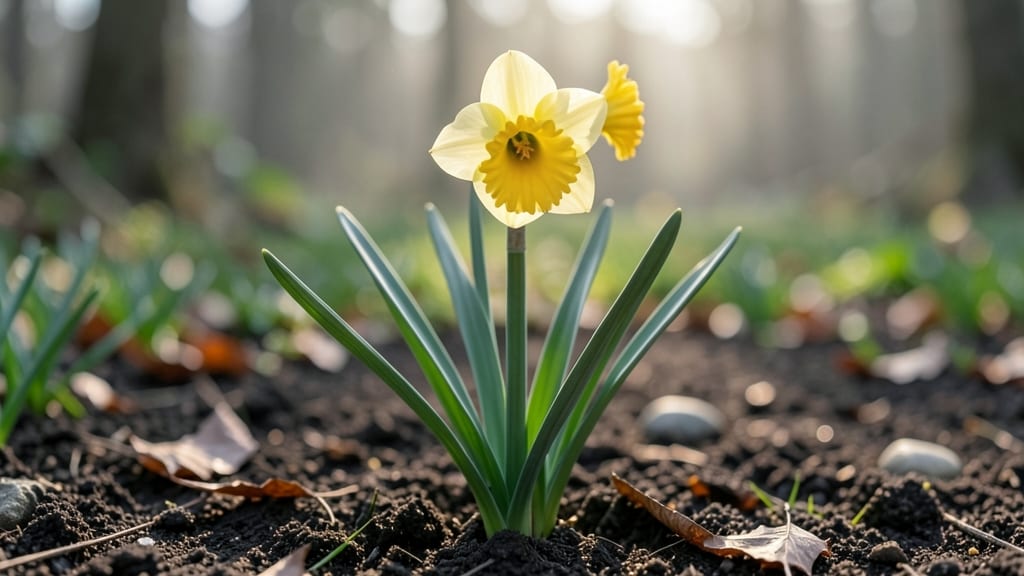
The 5-letter crossword clue for 'is allowed to bloom in spring' is DAFFY, referring to daffodils, which are iconic spring-blooming flowers often used in puzzles. Other common 5-letter spring flowers include TULIP, LILAC, and PANSY for alternative answers.
Crossword clues often rely on flowers that burst into color as temperatures rise, and daffodils are the gold standard because they're among the first to bloom. 🌼 Their bright yellow petals and cheerful appearance make them a puzzle creator's favorite, especially since they're hardy enough to thrive in many climates.
If you're solving and see "spring bloom" in the clue, DAFFY is usually the safest bet—but don't overlook TULIP or LILAC, which also fit the timing perfectly.
What's interesting is how these flowers align with crossword construction. Puzzle makers prioritize words that are both common and visually distinct, which is why DAFFY appears so frequently.
For instance, while pansies bloom slightly later, their unique shape makes them a clever alternative when the clue hints at something more delicate. Always check the letter count and cross-reference with other clues—it's the best way to narrow down your options.
💡 In This Article
- Why Daffodils Are the Classic Spring Crossword Answer
- 5-Letter Spring Flowers for Crossword Alternatives
Why daffodils are the classic spring crossword answer
Daffodils dominate crossword clues because they're among the first flowers to bloom in spring, typically between February and April in temperate climates. Their scientific name, Narcissus, comes from Greek mythology, where they symbolized rebirth and new beginnings—perfect for spring themes.
Puzzle creators favor them because they're universally recognizable, with their bright yellow trumpets and six petals creating a distinct visual that's easy to describe in clues.
The botanical reason behind their early bloom is fascinating. Daffodils store energy in their bulbs during winter, allowing them to push through cold soil and bloom as soon as temperatures stabilize above 40°F. This makes them ideal for crossword clues that reference "spring bloom" or "early flower."
Unlike tulips, which often wait until late spring, daffodils' consistent timing gives them an edge in puzzle construction. 🌱 Their hardiness also means they appear in puzzles across regions, from the Pacific Northwest to the Southeast.
Culturally, daffodils carry symbolic weight that enhances their crossword appeal. In Victorian flower language, they represented unrequited love, but their cheerful appearance softened that meaning over time. Today, they're associated with hope and renewal—qualities that align perfectly with spring's themes.
This duality (both scientific reliability and cultural richness) makes them a puzzle maker's dream flower, appearing in clues more frequently than other spring blooms like crocuses or hyacinths.
Consider the mechanics of crossword construction: solvers need answers that fit both the clue and the grid's letter count. Daffodils' short, five-letter name (DAFFY) fits neatly into grids, while their common usage in gardening and literature provides ample synonyms for clues.
For example, a clue might use "golden harbinger" or "spring sentinel" to describe daffodils, giving constructors flexibility while keeping the answer consistent. This adaptability is why you'll see DAFFY more often than TULIP or LILAC in spring-themed puzzles.
What most solvers don't realize is how daffodils' growth cycle influences their crossword frequency. Their bulbs can lie dormant for years, only blooming when conditions are right—mirroring how crossword clues might "bloom" in popularity during certain seasons.
This resilience makes them a reliable answer, unlike seasonal flowers that might fade from puzzles as their bloom times shift. For instance, while pansies bloom later and might fit a "spring" clue, their 5-letter variant (PANSY) appears less often because their bloom period overlaps with early summer.
The sensory experience of daffodils also plays a role in their crossword dominance. Their bright yellow color stands out in grids, making them visually satisfying for both constructors and solvers. The scent—often described as sweet and slightly spicy—adds another layer to their appeal, though crossword clues rarely reference scent directly.
Instead, constructors rely on the flower's unmistakable appearance and cultural significance to create clues that feel both clever and intuitive. 🌼
To put it simply: daffodils are the crossword world's spring superstar because they combine botanical reliability with cultural resonance. Their early bloom, hardy nature, and iconic look make them the go-to answer when solvers see "bloom in spring" in a clue.
While other flowers like tulips or lilacs might fit, daffodils' consistency and symbolism give them the edge in puzzle construction.