
Blooming
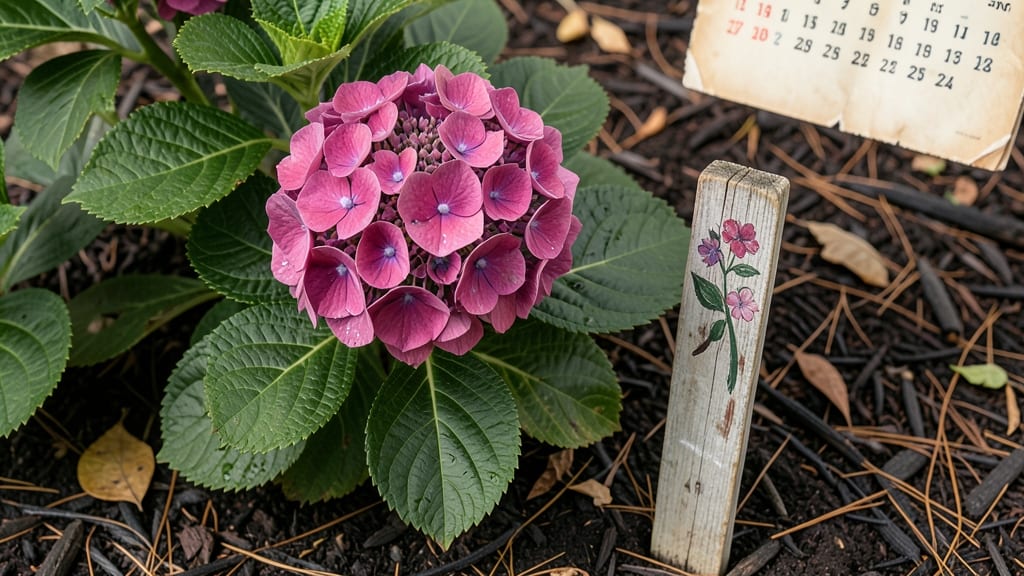
Hydrangeas in the Northeast typically bloom between late May and July, though timing depends on the variety—early bloomers like Annabelle appear in June, while late-season types such as Endless Summer extend into August. Cold-hardy cultivars may delay blooming until after frost risk passes.
Northeast gardeners know that timing is everything when it comes to hydrangea blooms. 🌸 The region's unpredictable spring weather—especially late frosts—can push back blooming by weeks, so choosing the right varieties matters.
For instance, Oakleaf hydrangeas often bloom slightly later than their peers, making them a safer bet for areas with lingering cold snaps. Meanwhile, coastal zones may see earlier blooms due to milder temperatures, while inland gardens might wait until June for consistent color.
What sets Northeast hydrangeas apart is their remarkable resilience. Many cold-hardy types, like Nikko Blue, can withstand temperatures down to -20°F while still producing stunning blooms. The key is understanding your specific microclimate—whether you're in Zone 4 or Zone 7—and selecting varieties that match your last frost date.
This strategic approach ensures you get those show-stopping summer blooms without the disappointment of winter damage.
💡 In This Article
- How Northeast Climate Affects Hydrangea Blooming Seasons
- Best Cold-Hardy Hydrangea Varieties for Northeast Gardens
How Northeast climate affects hydrangea blooming seasons
Northeast hydrangeas rely on two critical climate triggers: consistent soil temperatures of 55°F or warmer and the passage of last frost dates. These plants use daylight hours as a cue, but they won't bloom until the ground warms sufficiently to support root growth.
In Zone 5, where many Northeast gardens fall, soil temperatures often hit this threshold around mid-May, while Zone 4 areas may wait until late May or early June.
This delay explains why coastal areas like New England sometimes see blooms 2-3 weeks earlier than inland regions with colder nights.
The region's notorious late frosts—often occurring in April or early May—can devastate tender buds. Bigleaf hydrangeas (Hydrangea macrophylla) are particularly vulnerable, as their flower buds form the previous summer and sit exposed on stems.
In contrast, panicle hydrangeas (like Limelight) produce buds in spring, giving them a second chance if frost strikes early.
The 10-year average last frost date for cities like Boston is May 15, while Buffalo, NY typically sees its last frost around May 22—these dates serve as rough guides for when gardeners can expect blooms to begin.
Microclimates create dramatic variations even within small areas. A south-facing slope might see blooms 1-2 weeks earlier than a shaded north side, where soil stays cooler. Urban heat islands in cities like Philadelphia can push blooming dates forward by 5-7 days compared to rural areas just 20 miles away.
This is why Oakleaf hydrangeas, which bloom on old wood but produce some new growth, often succeed where more delicate varieties fail—their tougher stems can withstand late frosts better than mophead hydrangeas.
Daylength also plays a subtle but important role. While hydrangeas aren't strictly short-day plants, they do respond to increasing daylight hours. In June, when days reach 15 hours of sunlight in the Northeast, many varieties enter peak bloom.
This explains why Endless Summer hydrangeas—which rebloom on new wood—can produce two flushes of flowers: one in early summer and another in late summer if given proper care and consistent moisture.
Soil moisture levels create another critical factor. Hydrangeas need consistent soil moisture—drought stress can delay blooming by 2-4 weeks as the plant prioritizes root survival over flower production.
In Zone 6, where rainfall is more variable, gardeners often see late June blooms in well-watered gardens versus early July in drier areas. The key is maintaining 1-2 inches of water per week during the growing season, which helps trigger the hormonal signals that lead to bud formation.
For gardeners in the Northeast's coldest zones (4-5), choosing varieties with delayed bud set is essential. Nikko Blue hydrangeas, for example, often wait until late June to bloom because their buds form later in the season, avoiding frost damage.
This adaptation allows them to thrive where more sensitive types would fail. The trade-off? These varieties may produce slightly smaller blooms but with longer vase life—a small price for reliability in unpredictable climates.