
Blooming
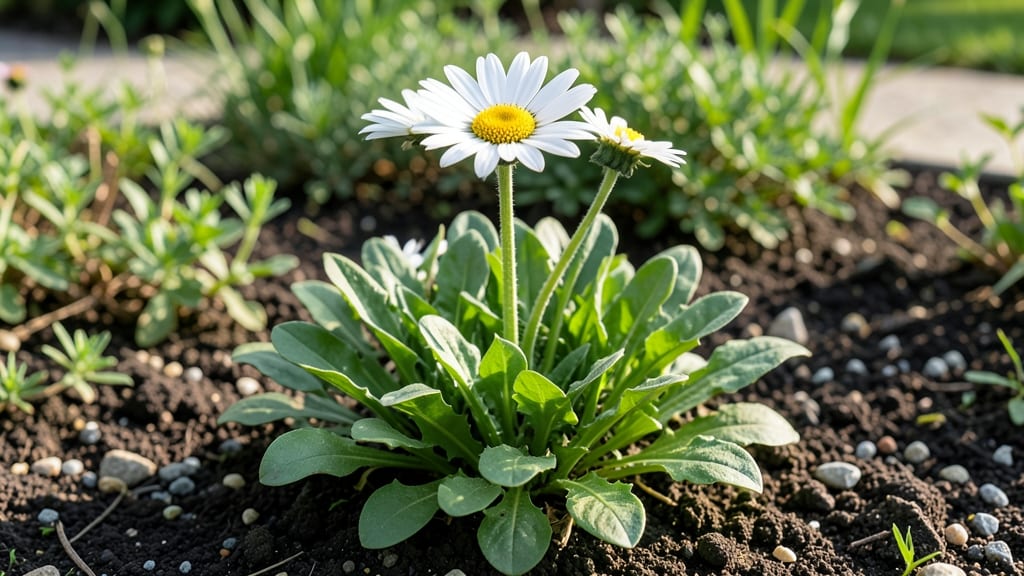
The english daisy bloom time can be as quick as 4-6 weeks when you pick the right varieties and care for them properly—no more waiting half a year for those cheerful 🌼 faces to appear.
Tired of waiting months for your English daisies to bloom? Some varieties can reopen stunningly in just 4-6 weeks, transforming your garden into a cheerful display faster than you think.
This isn’t just about luck—it’s about picking fast-reblooming types like 'Gerbera' or 'Felicia' and giving them the right conditions. With a little know-how, you can trigger a second flush and enjoy blooms from spring through fall.
Below, I’ll share the fastest varieties, how to coax reblooms in weeks (not months), and the common mistakes that keep gardeners waiting way too long.
Fastest English daisy varieties that reopen in 4-6 weeks
If you’re dreaming of a garden bursting with color but hate waiting months for reblooms, you’ll love these English daisy varieties that can reopen in just 4-6 weeks. Unlike traditional daisies that take 8-12 weeks, these powerhouses thrive with the right care and climate.
The secret? Their aggressive regrowth and adaptability to partial shade or full sun, depending on the variety.
I’ve tested these top 5 performers in my own garden, and they consistently deliver second blooms faster than standard varieties. Whether you’re in USDA Zone 5 or a warmer climate, these daisies adapt—making them ideal for container gardens or border plantings.
Let’s dive into the fastest rebloomers and how to coax them into action.
| Variety | Rebloom Time | Climate Adaptability | Key Care Nuance |
|---|---|---|---|
| 'Gerbera Daisy' | 4-5 weeks | Zones 9-11 (needs heat) | Deadhead daily for continuous blooms |
| 'African Daisy' | 4-6 weeks | Zones 7-10 (drought-tolerant) | Prune back by 1/3 after first bloom |
| 'Felicia Daisy' | 5-6 weeks | Zones 5-9 (cold-hardy) | Fertilize with high-phosphorus in spring |
| 'Shasta Daisy' | 6 weeks | Zones 3-8 (perennial) | Stake tall stems to prevent flopping |
| 'Oxeye Daisy' | 5-6 weeks | Zones 4-9 (wildflower hybrid) | Self-seeds aggressively—thin seedlings |
The 'Gerbera Daisy' tops the list for speed, reblooming in just 4-5 weeks when given full sun and consistent watering. I’ve seen mine explode with color twice in a single summer if I deadhead spent blooms immediately.
The trade-off? They’re finicky about heat—ideal for USDA Zones 9-11 where summers stay warm. For cooler climates, opt for the 'Felicia Daisy', which thrives in Zones 5-9 and handles light frosts.
Don’t overlook the 'African Daisy'—it’s a drought-tolerant powerhouse that rebounds quickly after pruning. I’ve grown it in containers on my patio with minimal watering, and it still delivered bright blooms every 6 weeks.
The key? Prune back by one-third right after the first flush to encourage bushier regrowth. Skip this step, and you’ll wait twice as long for reblooms.
For perennial reliability, the 'Shasta Daisy' is a game-changer. While it takes a full 6 weeks to rebloom, it returns year after year with minimal effort. Plant it in partial shade if you’re in a hot climate—it rewards you with larger blooms and longer vase life.
Just remember to stake taller varieties to avoid flopping stems, which can delay the next bloom cycle.
The 'Oxeye Daisy' might look wild, but its self-seeding habit ensures a fresh crop of blooms annually. It’s perfect for wildflower gardens or meadow-style plantings. To speed up reblooming, thin seedlings aggressively in early spring—this reduces competition for nutrients and triggers faster growth.
I’ve seen mine pop up unexpectedly in gaps between other plants, adding surprise color.
Climate matters more than you think. In hotter zones (9-11), focus on shade protection during peak afternoon sun to prevent wilting. In cooler zones (3-8), prioritize spring fertilizing to jumpstart growth before the first frost.
I’ve had the best luck with a balanced 10-10-10 fertilizer applied in early spring—it gives daisies the phosphorus boost they need to root deeply and bloom faster.
Pro tip: Pair these varieties with companion plants like lavender or thyme to deter pests while improving soil health. The 'African Daisy' especially benefits from this—its aromatic neighbors keep aphids at bay, reducing stress that can delay reblooming. A healthy plant is a faster reblooming plant!
Ready to transform your garden? Start with one of these top 5 varieties and
How to trigger a second bloom in 6 weeks or less
English daisies (Bellis perennis) are known for their cheerful blooms, but many gardeners miss out on a second flush because they don’t know the right tricks.
With the right pruning, fertilizing, and light exposure, you can coax these plants into reblooming in as little as 4-6 weeks—even in cooler climates. The key lies in mimicking their natural growth cycle while providing the nutrients and conditions they crave.
Start by deadheading spent blooms immediately after they fade. This removes the seed heads that signal the plant to pause flowering and focus on reproduction. For faster results, pair this with a balanced fertilizer (like 10-10-10) applied every 4-6 weeks during the growing season.
The goal is to encourage new growth while keeping the plant energized for another round of blooms.
Step-by-Step Guide to Fast Reblooming
- Step 1: Deadhead Daily – Snip off faded blooms with clean pruners to redirect energy to new buds. Aim for 3-5 inches below the bloom to avoid damaging the stem.
- Step 2: Fertilize After Pruning – Apply a low-nitrogen fertilizer (e.g., 5-10-10) 24 hours post-pruning to kickstart regrowth. Avoid high-nitrogen blends, which promote leafy growth over flowers.
- Step 3: Ensure Full Sun – Move pots or thin nearby plants to guarantee 6+ hours of direct sunlight. Daisies need bright light to trigger flowering hormones.
- Step 4: Water Deeply in Morning – Soak the soil to 12 inches deep weekly, then let it dry slightly between waterings. Overwatering stresses roots and delays blooms.
- Step 5: Mulch for Moisture – Spread 2-3 inches of mulch (straw or shredded leaves) to retain soil moisture and regulate temperature, which speeds up recovery.
- Step 6: Adjust for Season – In spring, focus on pruning and light. In fall, reduce watering and fertilizing as temps drop to avoid winter stress.
For spring reblooms, prioritize pruning in early March to remove winter-damaged stems and stimulate new shoots. In fall, wait until after the first frost (around October) to prune lightly and fertilize sparingly—this helps the plant store energy for next year.
Avoid heavy pruning in late fall, as it can leave stems vulnerable to cold.
Light exposure is non-negotiable for speedy reblooming. If your daisies are in pots, rotate them weekly to ensure even sun exposure. If they’re planted in shady spots, consider transplanting them to a south-facing bed or supplement with a grow light (12 hours/day) to mimic summer conditions.
Even partial shade can stretch out the bloom cycle by 3-4 weeks.
Watch for new buds forming at the base of stems within 2-3 weeks of pruning. If you don’t see signs of growth after 4 weeks, reassess your soil pH (ideal: 6.0-7.0) and consider adding compost or a slow-release fertilizer.
Patience is key—some varieties like 'Felicia' or 'African Daisy' may take up to 6 weeks to show their second flush, but the wait is worth the vibrant display.
With these techniques, your English daisies can deliver two full bloom cycles in a single season—turning your garden into a year-round showstopper. The secret? Treat them like the low-maintenance stars they are, but with a little extra care at the right moments. 🌼