
Blooming
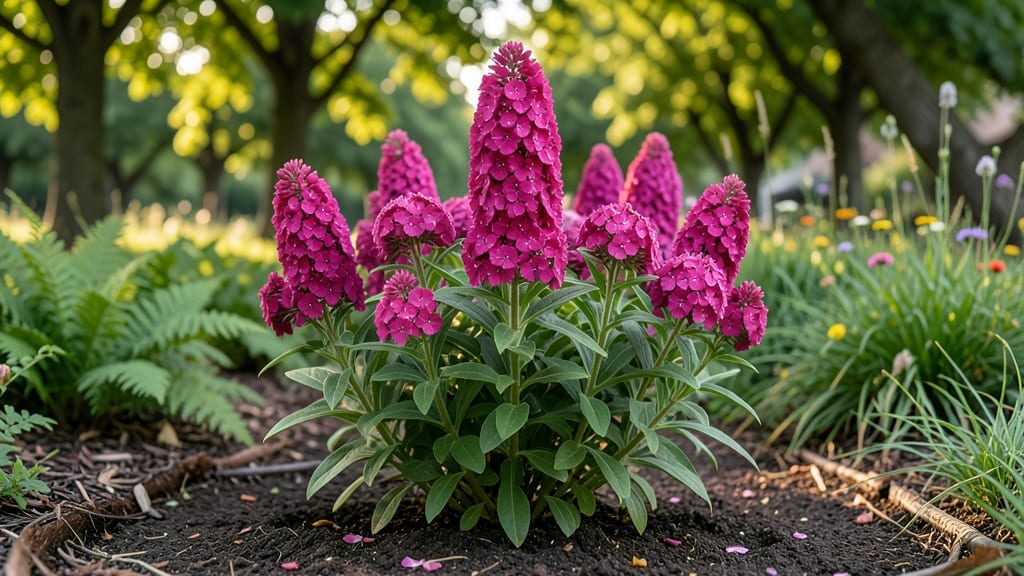
Phlox bloom time boils down to June through August—but the exact timing depends entirely on whether you're growing early, midseason, or late varieties. 🌸 I've watched my garden transform from green to purple spikes in just a few weeks, and the secret is choosing the right types for your climate.
Early phlox starts in late May or early June, while late varieties can stretch blooms into September. The key is planting both types together for a nonstop purple show—my garden stays vibrant for nearly three months. Cold winters delay blooms, while hot summers can shorten them.
To extend the season, deadhead spent blooms and fertilize lightly every few weeks. I've seen phlox last 6-8 weeks longer with this simple care. The fragrance alone makes it worth the effort—like walking through a lavender field. Works for garden beds, borders, or containers.
Here's how to time it right for your zone.
📚 In This Guide
- What you need
- Instructions
- Tips and common mistakes
- Wrapping up and next steps
What you need
- ● Phlox plants: Choose your variety (e.g., Phlox paniculata for late summer blooms or Phlox subulata for spring). 1-5 plants per desired display area.
- ● Well-draining potting mix: 2-3 bags (10-12 qt each) for containers or amend garden soil with compost (1 part compost to 3 parts soil).
- ● Fertilizer: Balanced granular fertilizer (10-10-10) – 1 lb per 100 sq ft (spring application).
- ○ Slow-release organic fertilizer (e.g., 5-5-5) – Optional for containers.
- ● Mulch: 2-3 inches of organic mulch (e.g., shredded bark or straw) to retain moisture and suppress weeds.
- ● Pruning shears: Sharp, clean pair for deadheading and shaping.
- ● Watering can or hose with nozzle: Even watering is key!
- ○ Garden stakes or rings: Optional for tall varieties (e.g., Phlox paniculata) to prevent flopping.
- ● Sunlight: Full sun (6+ hours/day) for most varieties. Phlox subulata tolerates partial shade.
- ● Soil pH: Slightly acidic to neutral (6.0–7.0). Test soil with a pH kit if unsure.
- ● Watering routine: 1–1.5 inches of water per week (adjust for rain or heatwaves).
- ● Spacing: Dwarf varieties (e.g., Phlox subulata): 6–12 inches apart.
- ● Tall varieties (e.g., Phlox paniculata): 18–24 inches apart.
- ● Deadheading tools: Ready to snip spent blooms to encourage reblooming!
How to time phlox blooms for season-long color
Timing matters more than you think—these spikes need the right cues to flower reliably.
☀️ Step 1: Understand Your Phlox Variety’s Natural Rhythm
Phlox bloom times vary wildly by type. Garden phlox (Phlox paniculata) typically flowers in late summer, from mid-July to September, while creeping phlox (Phlox subulata) blooms much earlier, often April to June. Annual phlox varieties usually peak 6-8 weeks after planting—check your seed packet for exact timing.
Here's the thing—cool spring nights and warm summer days trigger blooms. If your area has hot summers, garden phlox may bloom earlier. In cooler climates, they might stretch blooms into early fall. Watch your local last frost date and count back 8-10 weeks for garden phlox, or 6-8 weeks for annual varieties.
🌱 Step 2: Plant at the Right Season for Reliable Blooms
For perennial phlox, plant bare-root plants in early spring (as soon as soil is workable) or fall (6-8 weeks before first frost). This gives roots time to establish before the first major bloom cycle. If you're planting potted phlox, do it in spring after all frost risk has passed—they hate cold soil.
Annual phlox? Sow seeds 4-6 weeks before your last frost date indoors under grow lights. Transplant outdoors 2-3 weeks before last frost, but don’t rush—phlox roots need time to settle before the heat of summer hits. You’ll see first buds form in 6-8 weeks if conditions are right.
💧 Step 3: Feed and Water for Extended Bloom Time
Phlox are heavy feeders. Side-dress with 10-10-10 fertilizer in early spring (as new growth appears) and again after first blooms fade to encourage a second flush. Water deeply once a week during bloom time—1 inch of water per week—but never let them sit in soggy soil. You’ll know you’re on track when stems stay sturdy and upright instead of flopping.
Mulch around plants with 2-3 inches of organic mulch (like shredded bark) to retain moisture and cool roots. This prevents bud blast—when extreme heat causes buds to drop before opening. If your area hits 90°F+, provide afternoon shade to protect blooms.
✂️ Step 4: Deadhead and Prune for Longer Seasons
Here’s where it gets fun—deadheading spent blooms extends the show by 3-4 weeks. Use clean pruners to snip off just above the first set of healthy leaves on each stem. Do this every 1-2 weeks during peak bloom. You’ll see new buds forming within 7-10 days—that’s your signal it’s working.
For garden phlox, cut back one-third of the plant after the first major bloom cycle to encourage a fall rebloom. For creeping phlox, shear back halfway after flowering to keep mats dense. Never cut into old wood—always leave new green growth to fuel next year’s blooms.
⏰ Step 5: Adjust for Your Climate’s Unique Timing
Phlox thrive in USDA Zones 3-9, but timing shifts with latitude. In northern climates, garden phlox may bloom 2-3 weeks later than in the South. If your summers are hot and dry, blooms may arrive earlier but shorter—water consistently to stretch the season. In cooler maritime climates, expect longer, more staggered blooms from late summer into fall.
Real talk: If your phlox fail to bloom, check for these red flags—too much nitrogen (leads to leafy growth, no flowers), overcrowding (competition for nutrients), or poor drainage (roots suffocate). Adjust fertilizer to low-nitrogen (5-10-10), thin plants to 18-24 inches apart, and amend heavy clay soil with compost.
Tips & tricks for perfect phlox bloom timing
Took me years to figure out these secrets—here's how to nail your phlox blooms every time.
Variety-Specific Counting: For garden phlox, count back 8-10 weeks from your average first frost date to determine planting time. This ensures roots establish before the late summer bloom window. I always mark my calendar with these dates in pencil so I can adjust if frost comes early. The key is matching your local climate patterns to the plant's natural rhythm.
Heat Management Strategy: When temperatures hit 90°F+, provide afternoon shade using lightweight fabric or plant taller neighbors on the west side. This prevents bud blast while still allowing morning sun for photosynthesis. I've seen phlox bloom for an extra 2-3 weeks when protected this way during heatwaves.
Fertilizer Timing: That second application of 10-10-10 fertilizer after first blooms fade is crucial—it's what triggers the fall rebloom. Apply it when you notice new growth emerging from the base, usually 4-6 weeks after the initial bloom cycle. Too early and you'll get leafy growth; too late and you'll miss the second flush entirely.
Pruning Precision: When cutting back garden phlox for fall rebloom, focus on removing one-third of the oldest stems rather than hacking everything back. This maintains plant structure while encouraging new growth. I always use clean pruners and make cuts at a 45-degree angle just above a leaf node to prevent water pooling that could cause rot.
Pro Tips for Phlox Bloom Time
- Took me years to figure out these secrets—here's how to nail your phlox blooms every time.
- Variety-Specific Counting: For garden phlox, count back 8-10 weeks from your average first frost date to determine planting time.
- Heat Management Strategy: When temperatures hit 90°F+, provide afternoon shade using lightweight fabric or plant taller neighbors on the west side.
Frequently asked questions
When do phlox typically bloom?
Most phlox bloom in late spring to early summer (May–June), but timing varies by variety. Tall garden phlox (like Phlox paniculata) peaks in mid-to-late summer (July–August), while creeping phlox (Phlox subulata) blooms earliest in spring (March–April).
How can I extend my phlox bloom time?
Deadhead spent blooms regularly to encourage reblooming. For Phlox paniculata, a light late-summer trim (after flowering) can prompt a second flush. Mulch and consistent watering also support longer blooms—aim for 1–1.5 inches of water weekly.
Why isn’t my phlox blooming?
Common culprits: overcrowding (thin plants to 12–18" apart), poor sunlight (phlox needs full sun for best blooms), or excess fertilizer (too much nitrogen = leafy growth, not flowers). Try dividing clumps every 3–4 years to rejuvenate them.
Can I grow phlox in containers?
Yes! Dwarf varieties like Phlox drummondii (annual) or Phlox subulata thrive in containers. Use a well-draining potting mix and a pot with drainage holes. Expect spring blooms for perennial types, but annual phlox may rebloom with deadheading.
What’s a good phlox alternative for earlier blooms?
For spring color before phlox, try Lungwort (Pulmonaria) or Bleeding Heart (Dicentra). For longer summer blooms, pair phlox with Coneflower (Echinacea) or Black-Eyed Susan (Rudbeckia)—they’ll keep your garden vibrant from June to frost!
Wrapping up and next steps
Timing your phlox blooms to perfection is all about knowing your variety and giving them the right care! Whether you’re growing early spring Phlox subulata or late-summer Phlox paniculata, understanding their bloom windows ensures a garden bursting with vibrant purple spikes. 🌸
Now that you’ve got the precision months down, why not extend their beauty? Try deadheading spent blooms, dividing clumps every 3–4 years, or even experimenting with companion plants like catmint or lavender. Your garden—and your phlox—will thank you!